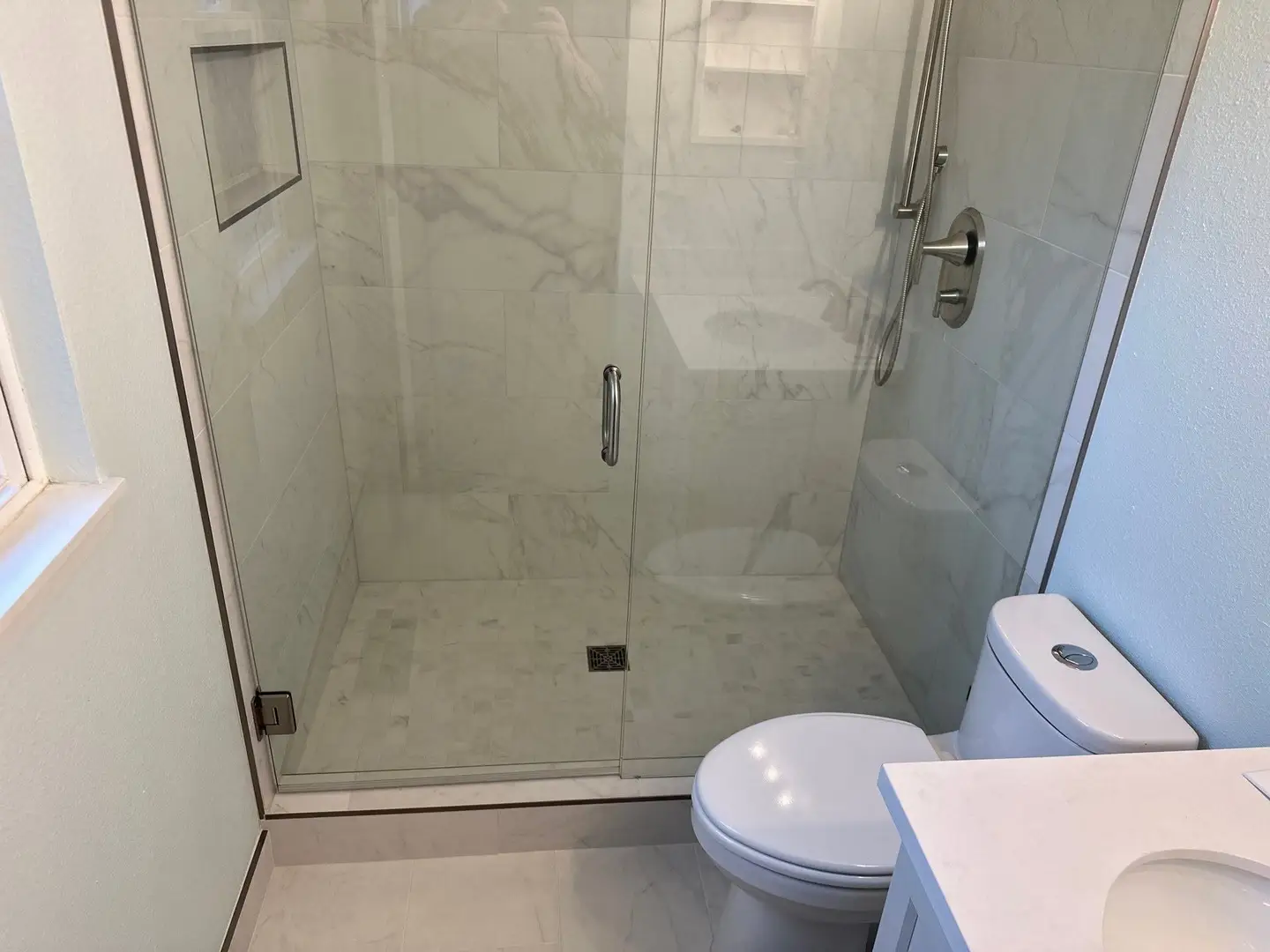
I've redone cheap contractors' bad work for 27 years. It has built my business. Nobody redoes my work.
I've seen the same pattern more times than I can count. Somebody needs work done around the house, gets a few prices, and one number comes in a lot cheaper. Saving the money sounds good, and sometimes it works out fine. Other times I meet them later, after something starts leaking, moving, cracking, coming apart, or just looking obviously wrong. By then they have already paid once, and now they are paying somebody else to figure out what happened and do the job again.
Why volunteer to buy the same job twice?
Cheap And Inexpensive Are Not The Same Thing
I am not telling anybody to hire the most expensive contractor. A high price does not make somebody better at the work, and a fair price does not have to be a painful one.
Cheap work is different. It is saving time where the job needed time, using the wrong material because it costs less, covering a problem instead of repairing it, or deciding that something underneath the finished surface does not matter because the homeowner will never see it. Those shortcuts can lower the bid and shorten the day. They can also make the job temporary.
If somebody can do the same quality of work for less money, great. If they are cheaper because part of the job is missing, somebody eventually has to deal with what was left behind.
Bad Work Usually Costs More The Second Time
The second repair can cost more than doing the work correctly would have cost the first time. Finished material may need to be removed. Material that should have been installed once may need to be purchased again. A small problem may have damaged something around it. Before the correct repair even starts, somebody has to figure out exactly what the first person did.
The lowest number on an estimate does not tell you what the job ultimately costs. The real price is what you spend before the problem is finished. If the first contractor was cheaper but the second contractor has to redo the work, you did not get a deal.
The Stuff Underneath Matters
A lot of bad work looks perfectly good when it is new. Fresh paint looks fresh. New flooring looks new. New tile looks new. Trim and caulk can hide plenty for a while.
What matters is underneath. Was the surface prepared correctly? Was the damage actually repaired? Is everything supported properly? Was the right material used? Is water being kept where it belongs? Were things measured, leveled, fastened, sealed, and installed correctly before the finished surface went on?
Those are not exciting questions, but they are often the difference between work that is still fine years later and work somebody like me eventually has to open back up.
Fix What Caused The Problem
If something failed, I want to know why. Replacing damaged drywall without finding the water source does not accomplish much. Filling the same crack every few months does not tell you why it keeps opening. Putting new wood over rot does not stop the condition that caused the rot.
Sometimes the cause is obvious. Sometimes you do not know until the area is opened. Either way, I would rather find the problem than make it look gone. Looking fixed and being fixed are two different things.
Experience Teaches You What Comes Back
Twenty-seven years does more than teach you how to build things. It shows you what happens afterward. You see which materials hold up, which shortcuts fail, what water can do when one small detail is wrong, and how often five extra minutes in the right place saves somebody hours of repair later.
That is a part of experience that never shows up neatly on an estimate. I am not only thinking about how the job looks when I leave. I am thinking about whether somebody is going to have to open it back up.
Sometimes You Have To Start Over
Nobody wants to hear that, especially after paying somebody to do the work once already. But there are times when there is no clever patch that turns bad work into good work. The material underneath may be wrong. Something may have been installed incorrectly from the start. A shortcut may be buried under everything else.
If the problem can be repaired without tearing everything apart, that is what I want to do. If it cannot, I am going to say so. I would rather have an uncomfortable conversation before the work starts than tell somebody something is fixed when I know it is not.
"Good Enough" Is Not A Standard
There is always a temptation in this business to say something is good enough. Maybe the homeowner will not notice. Maybe the trim will cover it. Maybe some caulk will make the line disappear.
That is how bad work starts.
My standard has always been simple: if I look at something I have done and think I should redo it better, I redo it. That is not perfection. Houses are not perfect, materials are not perfect, and sometimes you are working in a fifty-year-old room where nothing is square. The job is knowing the difference between working with what the house gives you and using the house as an excuse for sloppy work.
Pay Once
I've spent 27 years fixing homes, remodeling rooms, solving strange problems, and seeing what happens when homeowners do not get what they paid for. I do not understand doing a job in a way that guarantees somebody else will have to redo it.
You already have to pay somebody. You already have to let somebody into your house and deal with the noise, dust, materials, scheduling, and inconvenience. There is no reason to volunteer to do all of that twice.
I've redone cheap contractors' bad work for 27 years. Nobody redoes mine.
If you need handyman or remodeling work in Puyallup, South Hill, or the surrounding area, contact Confidence Remodel and let's talk about what needs to be done.
Frequently Asked Questions
Is hiring the cheapest contractor always a bad idea?
No. A lower price does not automatically mean bad work. The problem is hiring based on price alone without knowing what is being done differently to make that price possible.
Why does bad handyman work sometimes cost more to fix?
Correcting bad work can mean removing finished materials, repairing the original problem, replacing damaged materials, and then completing the job again.
Can poorly completed work usually be repaired?
Sometimes it can be corrected without starting over. Other times the existing work has to be removed before the underlying problem can be repaired properly.
What should I look for when hiring a handyman?
Look for experience, examples of completed work, clear communication, and someone who can explain what they plan to do and why.
Why does Confidence Remodel focus so much on workmanship?
Because the goal is to complete the job in a way that lasts. You should not have to hire somebody else later to redo work you already paid for.
Related Service
Handyman Services
See the smaller repairs, installations, punch-list work, and finish projects we handle.
View Handyman Services →