Know when a repair is actually small
A loose piece of trim may be simple. A recurring crack, soft floor, or repeated moisture problem may need more investigation before the finish is repaired.
Remodeling Guides
A loose piece of trim may be simple. A recurring crack, soft floor, or repeated moisture problem may need more investigation before the finish is repaired.
Several small jobs can often be handled more efficiently when the scope is reviewed together instead of treating every item as a separate project.
Drywall patches, doors, shelving, hardware, trim, and fixtures are highly visible. Small scope should not mean careless execution.
Planning a project instead of researching one?
Explore Handyman Services →
Gaps around baseboards and trim can come from normal seasonal movement, loose fasteners, drywall changes, moisture, or older finish work that has started to let go.

Some drywall damage is a straightforward patch. Water damage, repeated cracks, loose material, or larger broken areas may need more than another layer of compound.
A sticking interior door does not always need replacement. Hinges, paint, seasonal movement, flooring, the latch, or the frame itself may be the real problem.
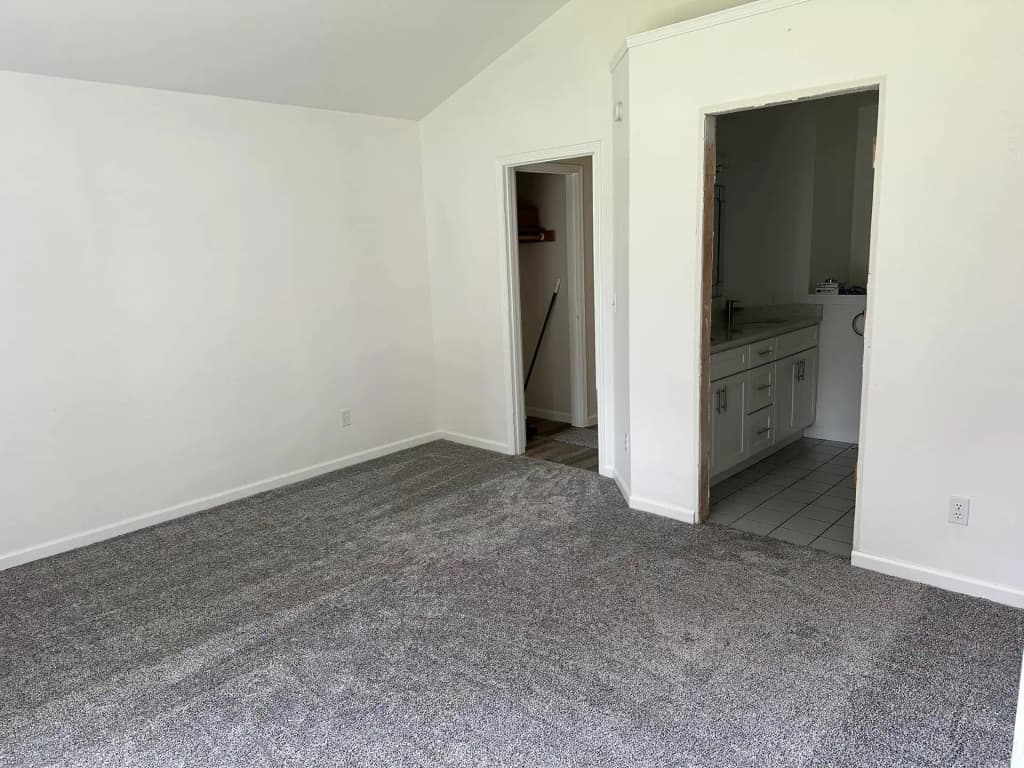
Not every damaged floor needs to be replaced. Learn when a flooring repair makes sense, when replacement is the better move, and why the condition underneath the floor matters.
A loose board, cracked caulk, sticking door, or soft spot may not seem urgent. Sometimes it isn't. Sometimes it is the first sign of a much bigger repair.

I've redone cheap contractors' bad work for 27 years. It has built my business. Nobody redoes my work.
A remodel contractor can handle far more than full renovations. For repairs, upgrades, installations, and smaller projects, that broader experience can make a big difference.