Remodeling Homes and Properties in Graham
Graham is not a conventional suburban community with rows of homes built at roughly the same time. Residential development is spread across a large area, and homes can range from older houses on acreage and long-established rural properties to subdivisions and newer construction built as the community has grown.
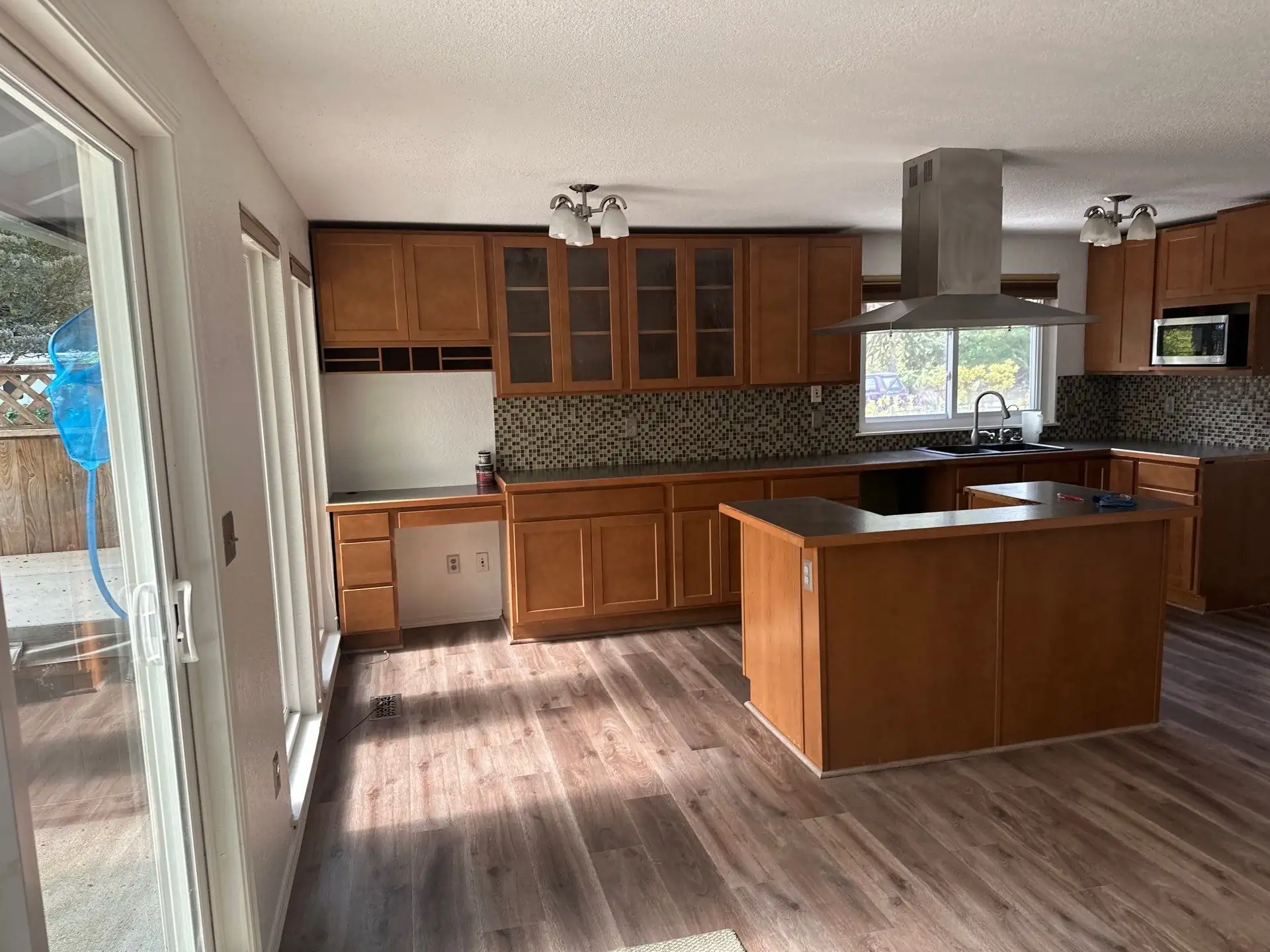
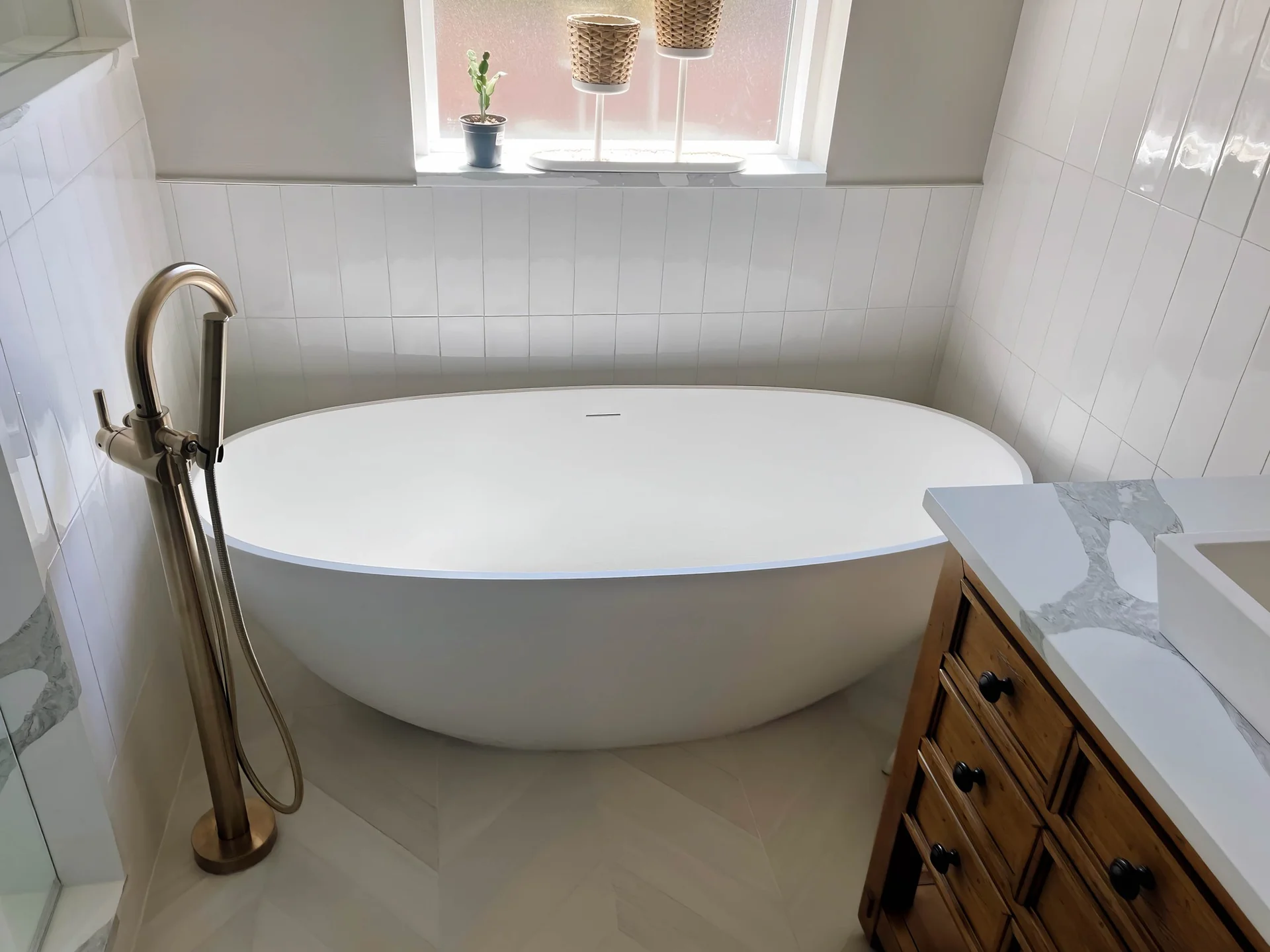
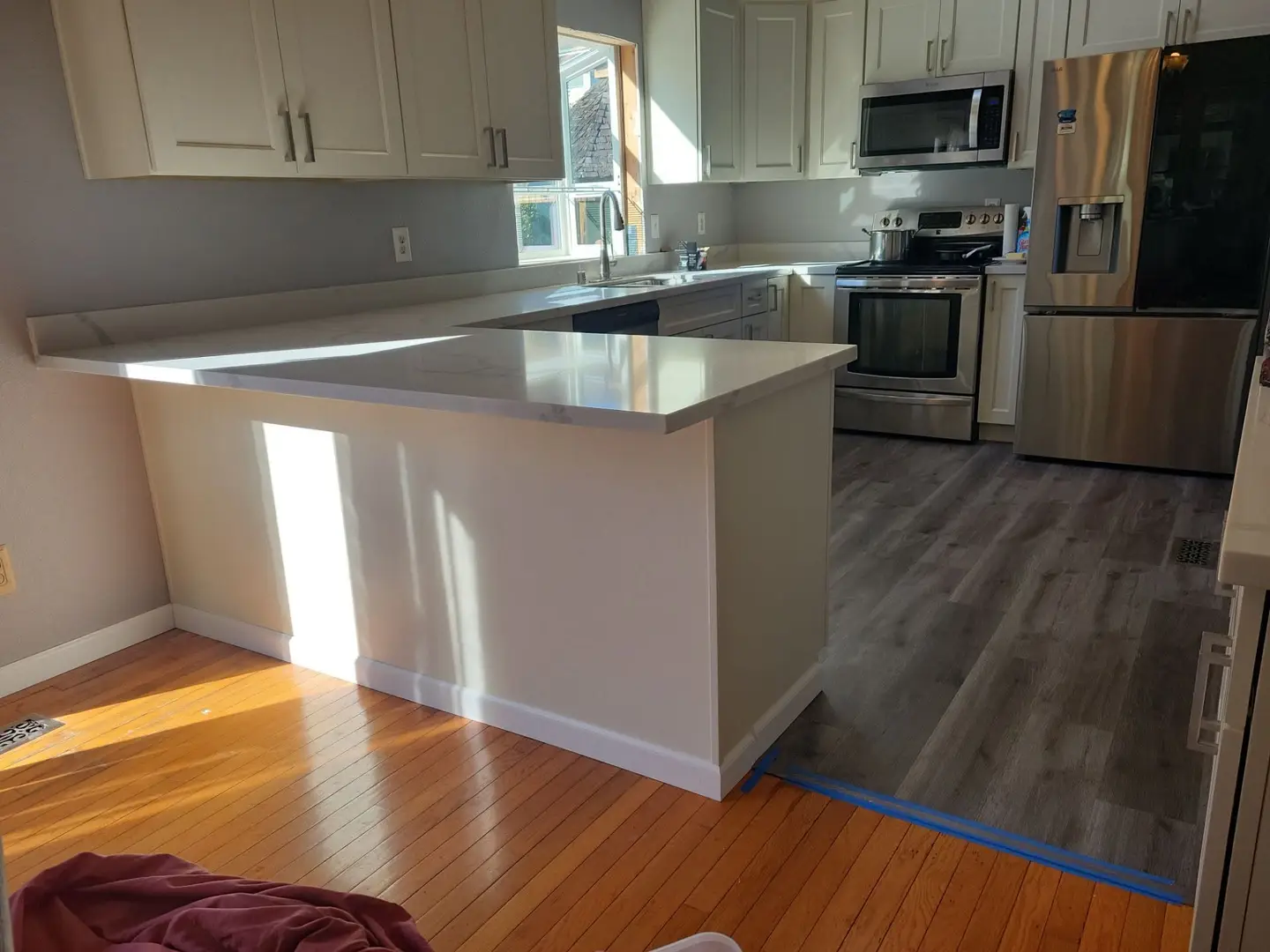
That variety has a direct effect on remodeling. Older properties may have been changed repeatedly as families, owners, and uses changed. A home might have an addition from one decade, a remodeled kitchen from another, replacement flooring from somewhere in between, and an original bathroom that has mostly survived through repairs.
Homes on larger properties can also be used differently. Storage, durability, easy-to-maintain surfaces, entrances that see substantial use, and practical kitchens or bathrooms may matter more than designing a room around a trend. The right renovation should reflect how the household and property actually function.
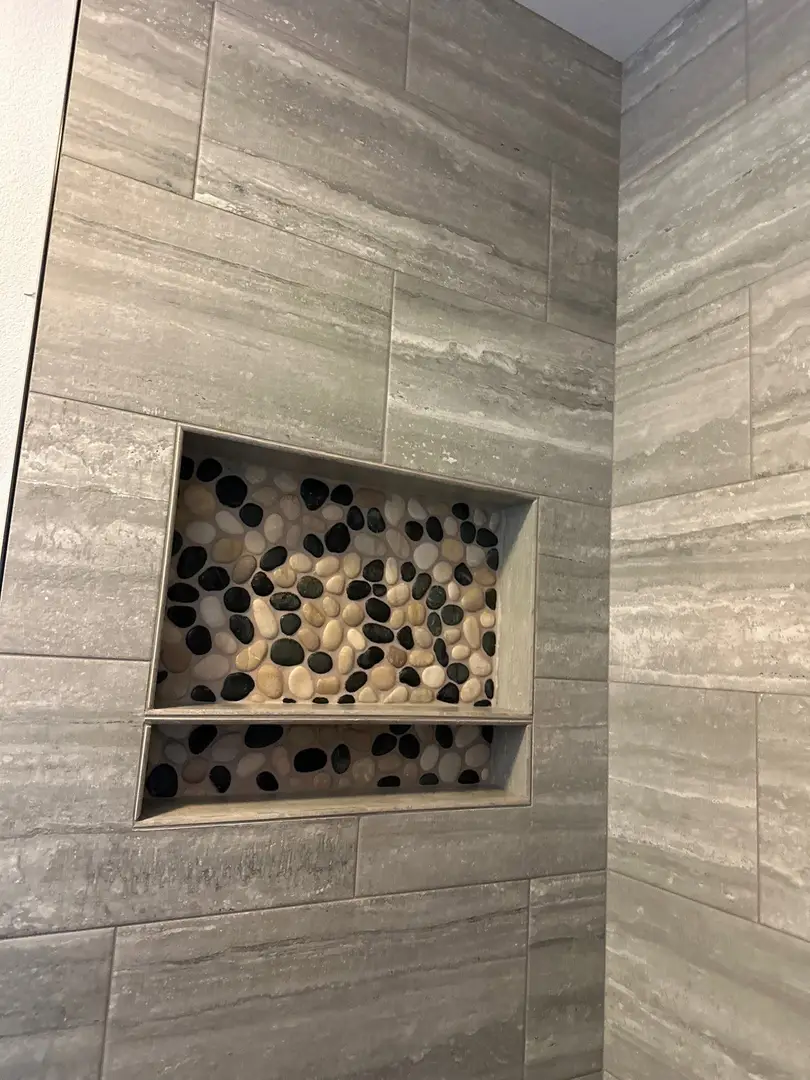
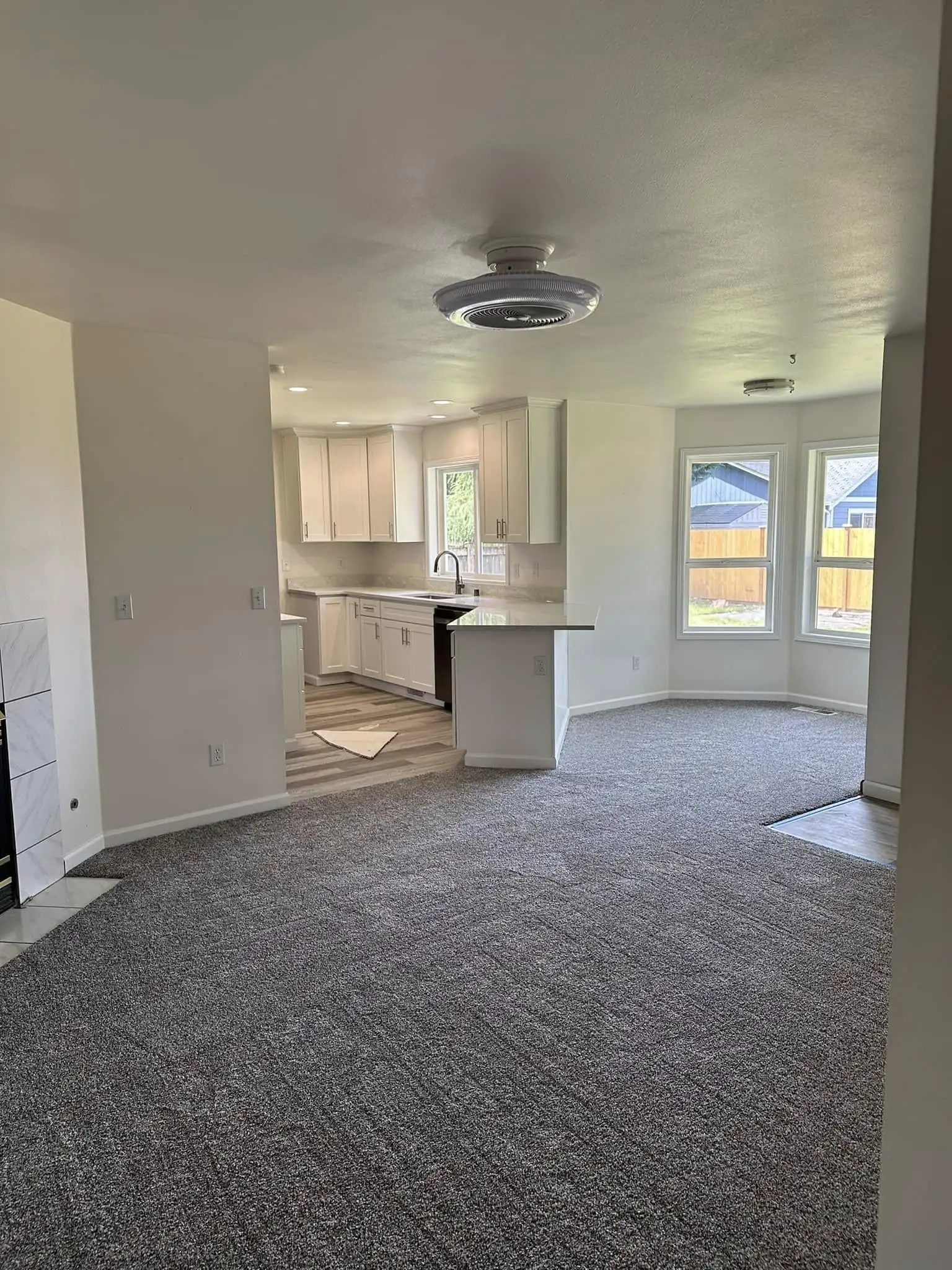
Graham has also seen substantial residential growth, so not every remodeling project involves an old house. Homes built during more recent waves of development are beginning to reach ages where original flooring, tile, fixtures, cabinetry, and other finishes have experienced years of daily use. Some homeowners simply want to replace builder-selected materials with something better suited to them.
The difference between an older rural property and a newer subdivision home matters. One project may require working carefully around previous additions and decades of changes. Another may have straightforward construction but a kitchen or bathroom the homeowner never particularly liked. Treating those two homes as though they need the same remodeling plan does not make much sense.
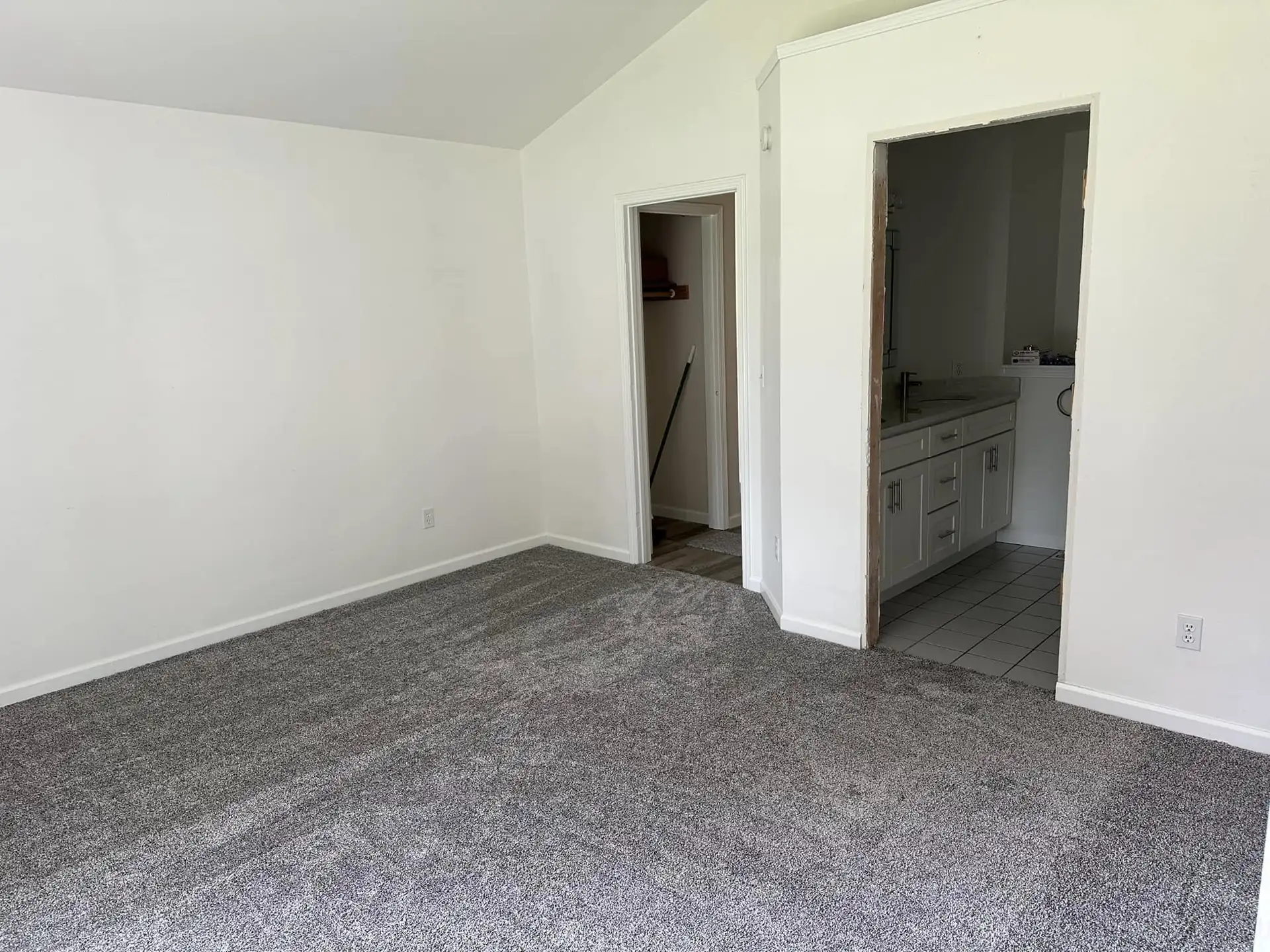
Larger Graham homes can also lend themselves to phased renovation. When several rooms need attention, there is not always a reason to turn the entire property into one construction project. Kitchens, bathrooms, flooring, tile, and other interior improvements can often be prioritized according to condition and how much difference each project will make.
We start with the home that is actually there. What has already been changed? What is still performing well? What has been repaired repeatedly? What does the household need from the space now? Answering those questions produces a much more useful project than simply deciding everything old should become new.