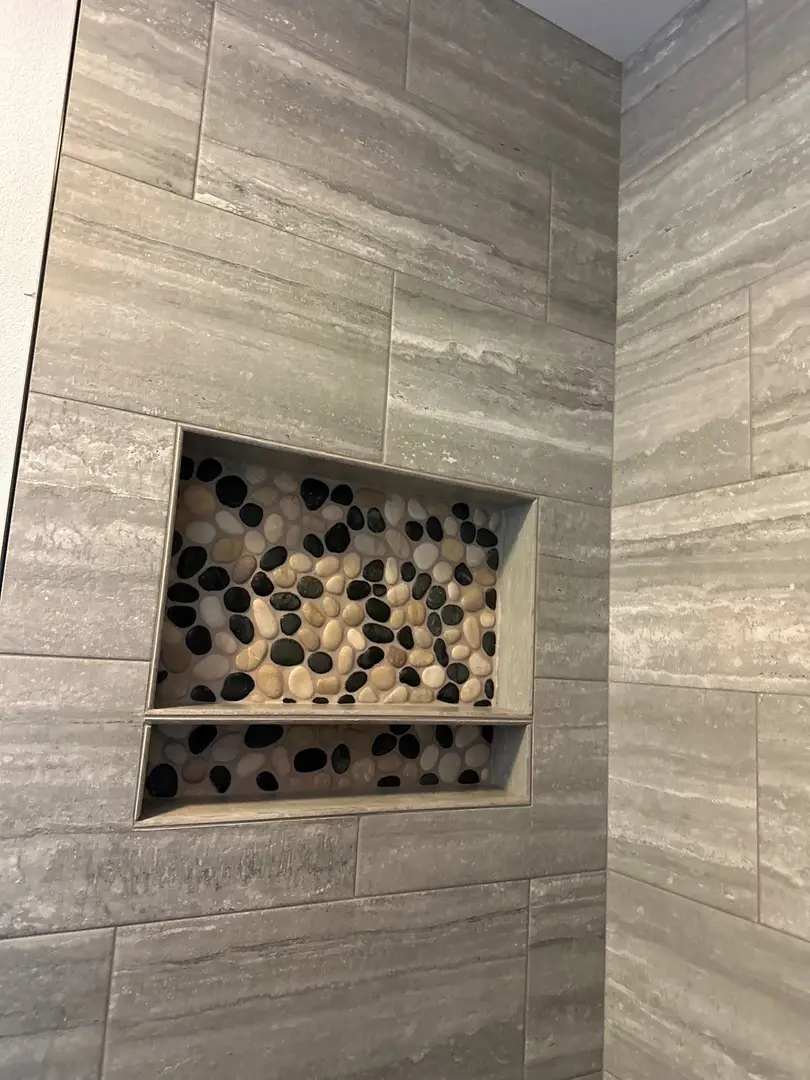
Tile Installations
Tile work depends on what is underneath it. We install shower tile, bathroom floors, backsplashes, walls, and other interior tile with attention to preparation, layout, clean cuts, edges, and transitions.
Learn more →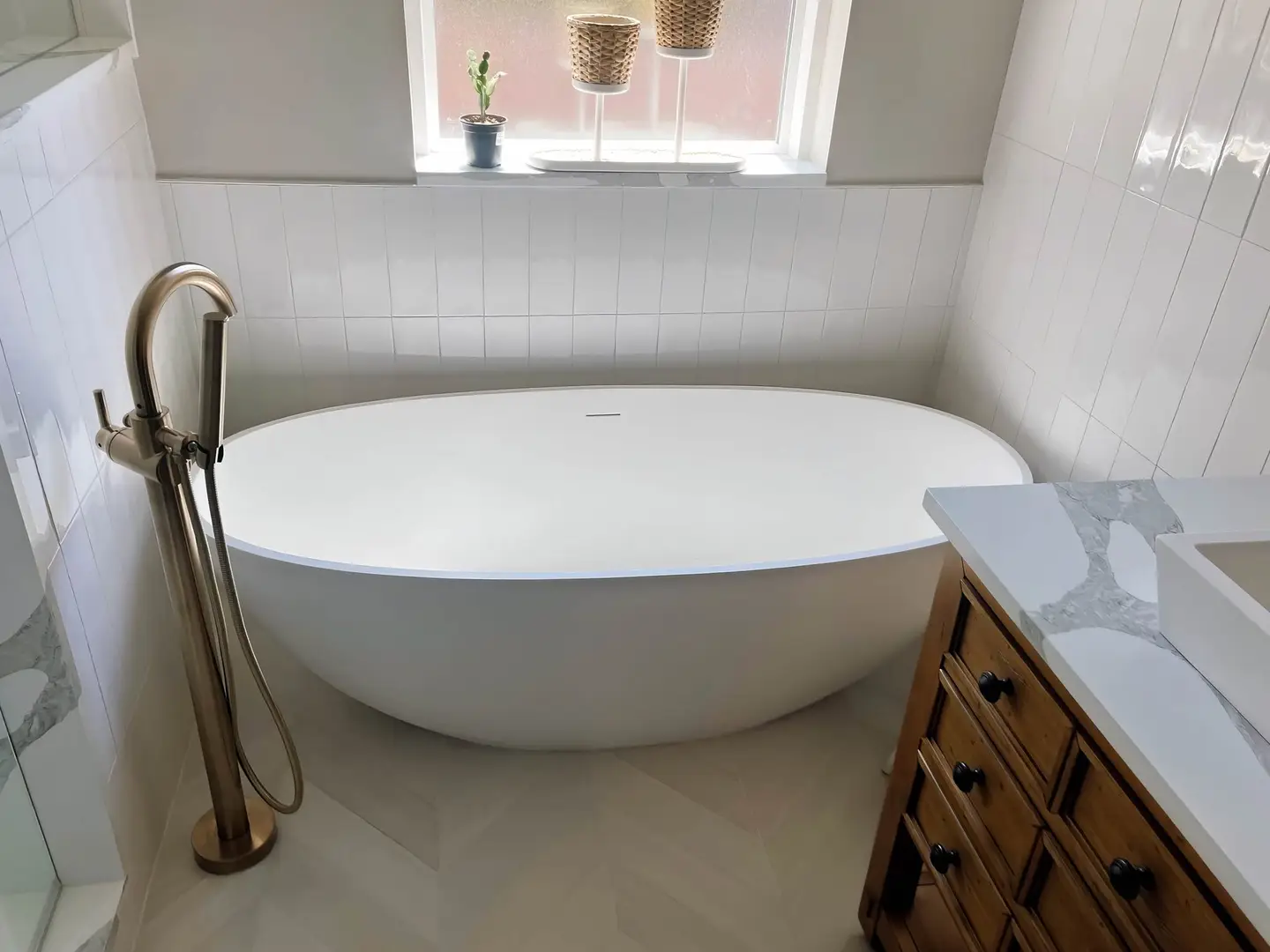
Puyallup has homes from several generations of growth. We help homeowners update, repair, and remodel the parts of the house that no longer work the way they should.
Tile work depends on what is underneath it. We install shower tile, bathroom floors, backsplashes, walls, and other interior tile with attention to preparation, layout, clean cuts, edges, and transitions.
Learn more →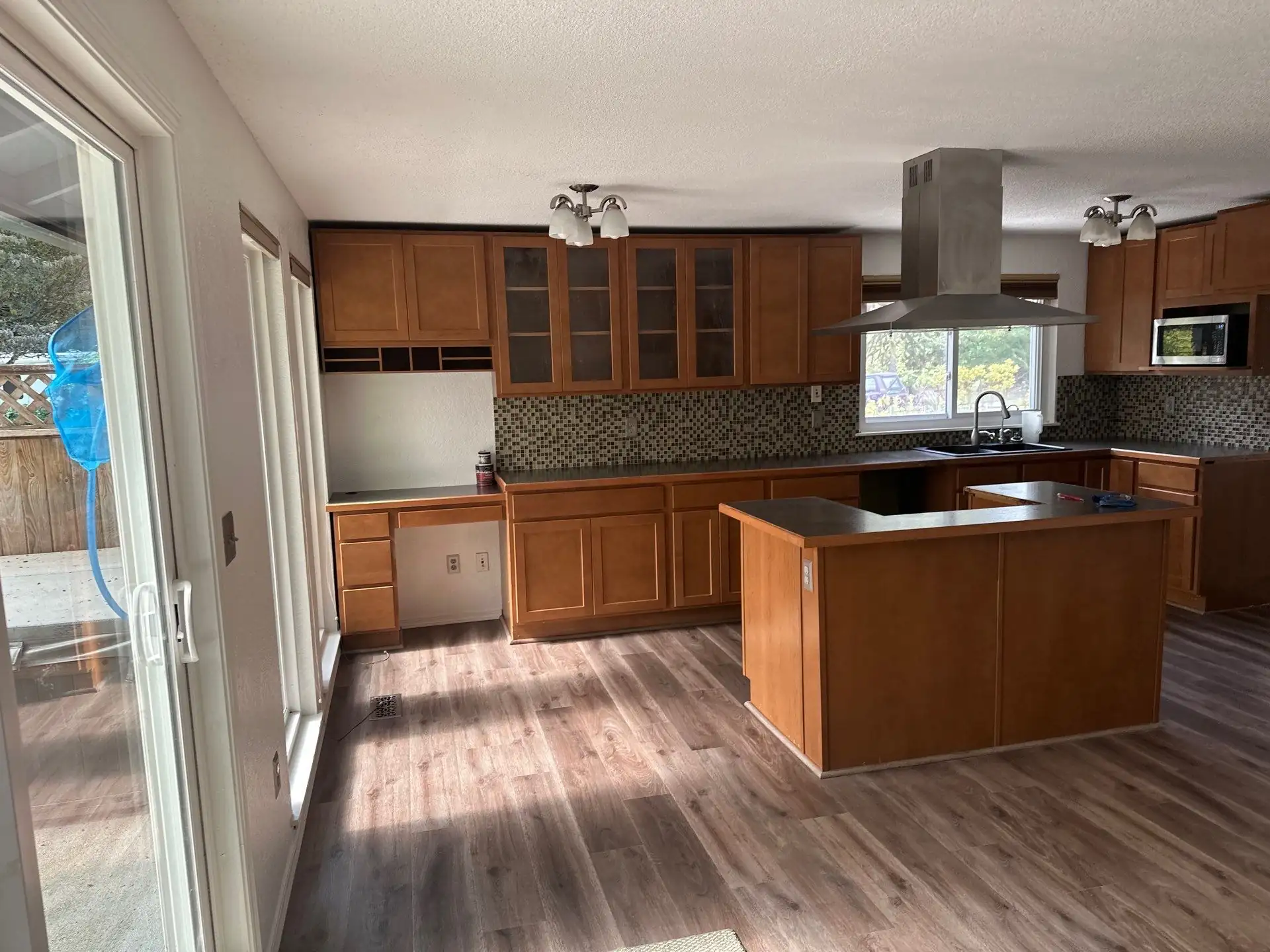
We help homeowners improve kitchen layout, storage, cabinets, counters, flooring, tile, lighting, fixtures, and the finish details that make the room easier to use every day.
Learn more →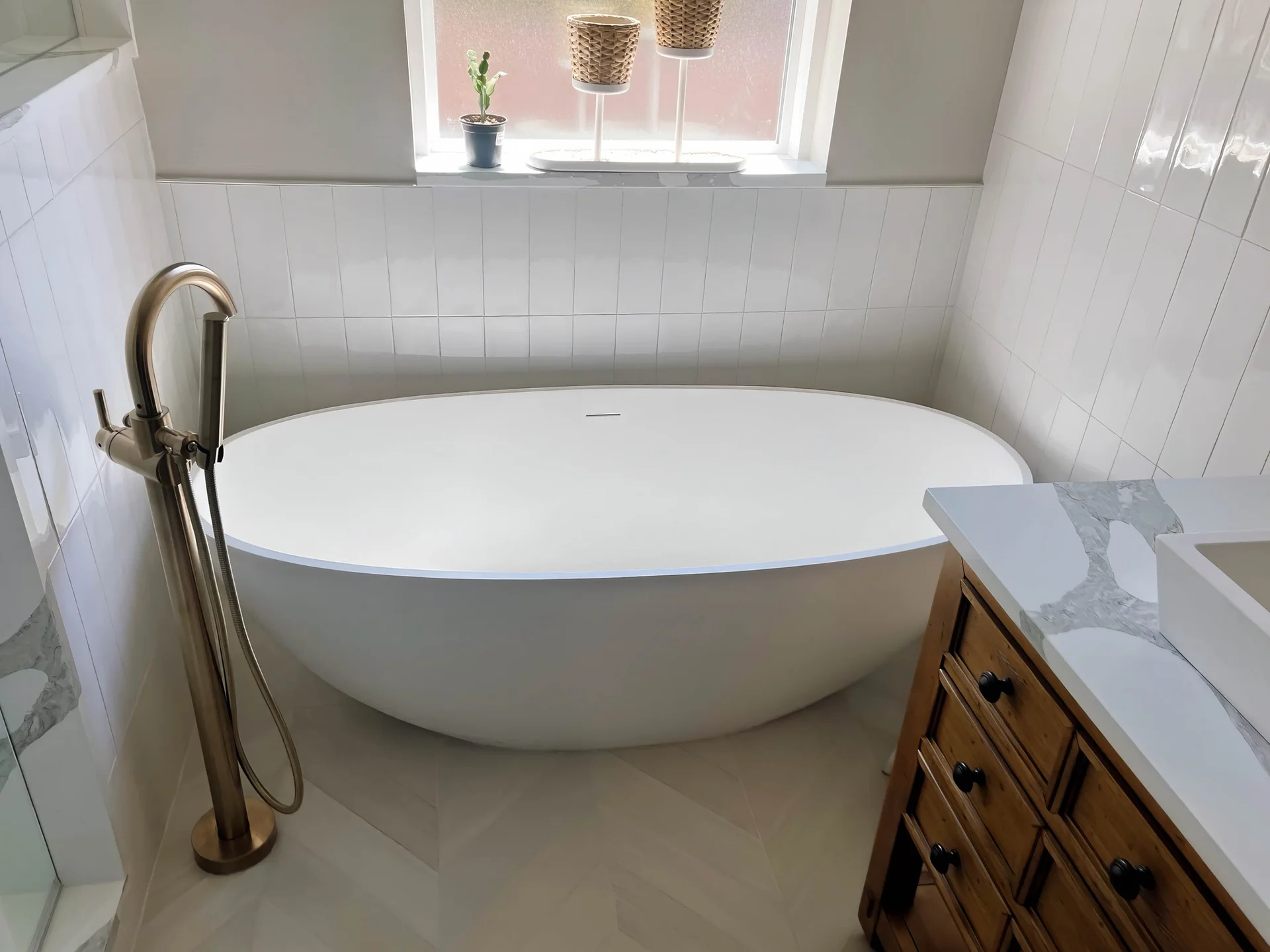
Bathroom remodeling can include showers, tubs, tile, vanities, flooring, fixtures, storage, lighting, and repairs uncovered once old finishes are removed.
Learn more →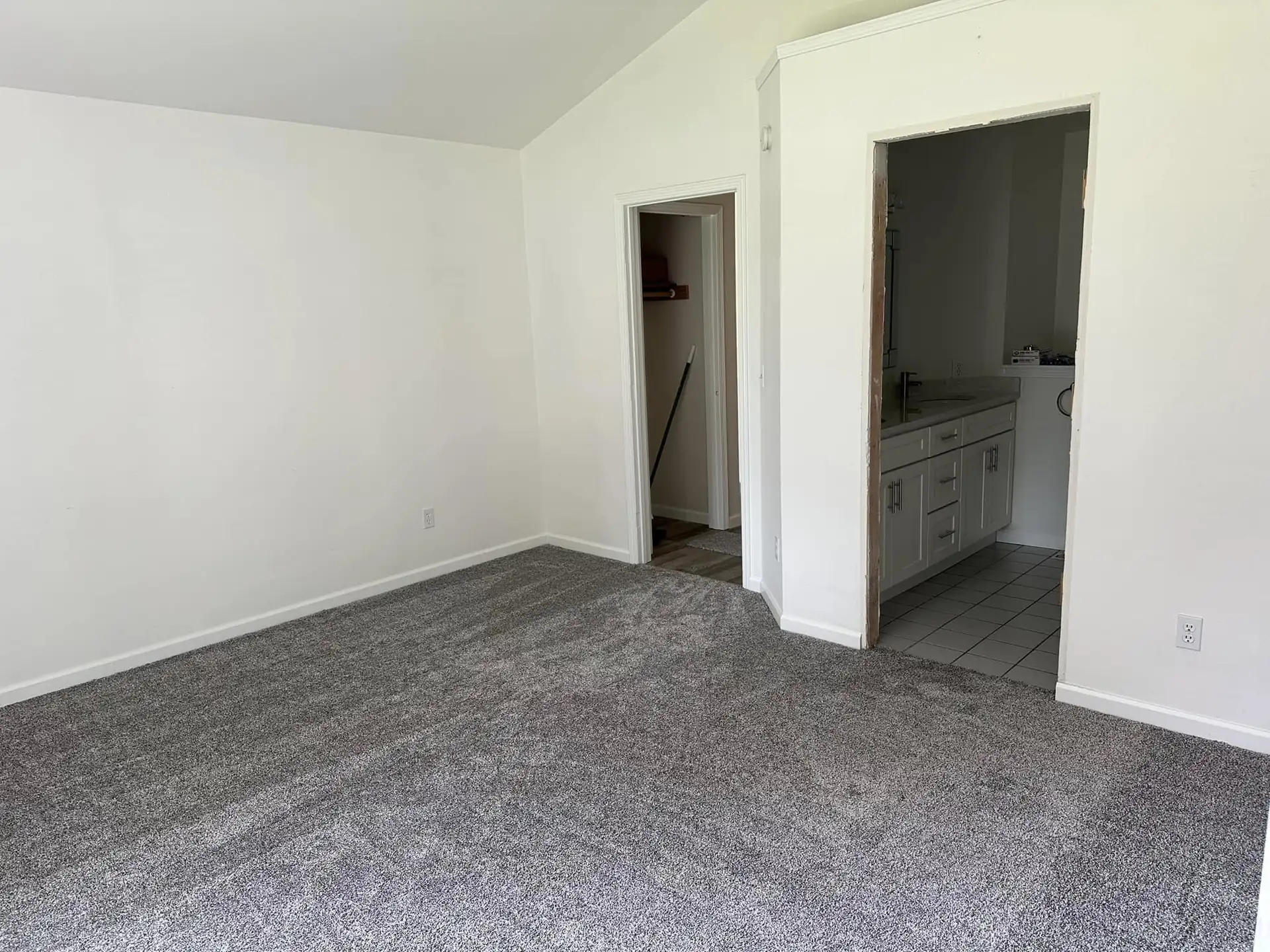
Interior remodeling can bring together flooring, drywall, trim, carpentry, openings, repairs, and finish updates when more than one part of the home needs attention.
Learn more →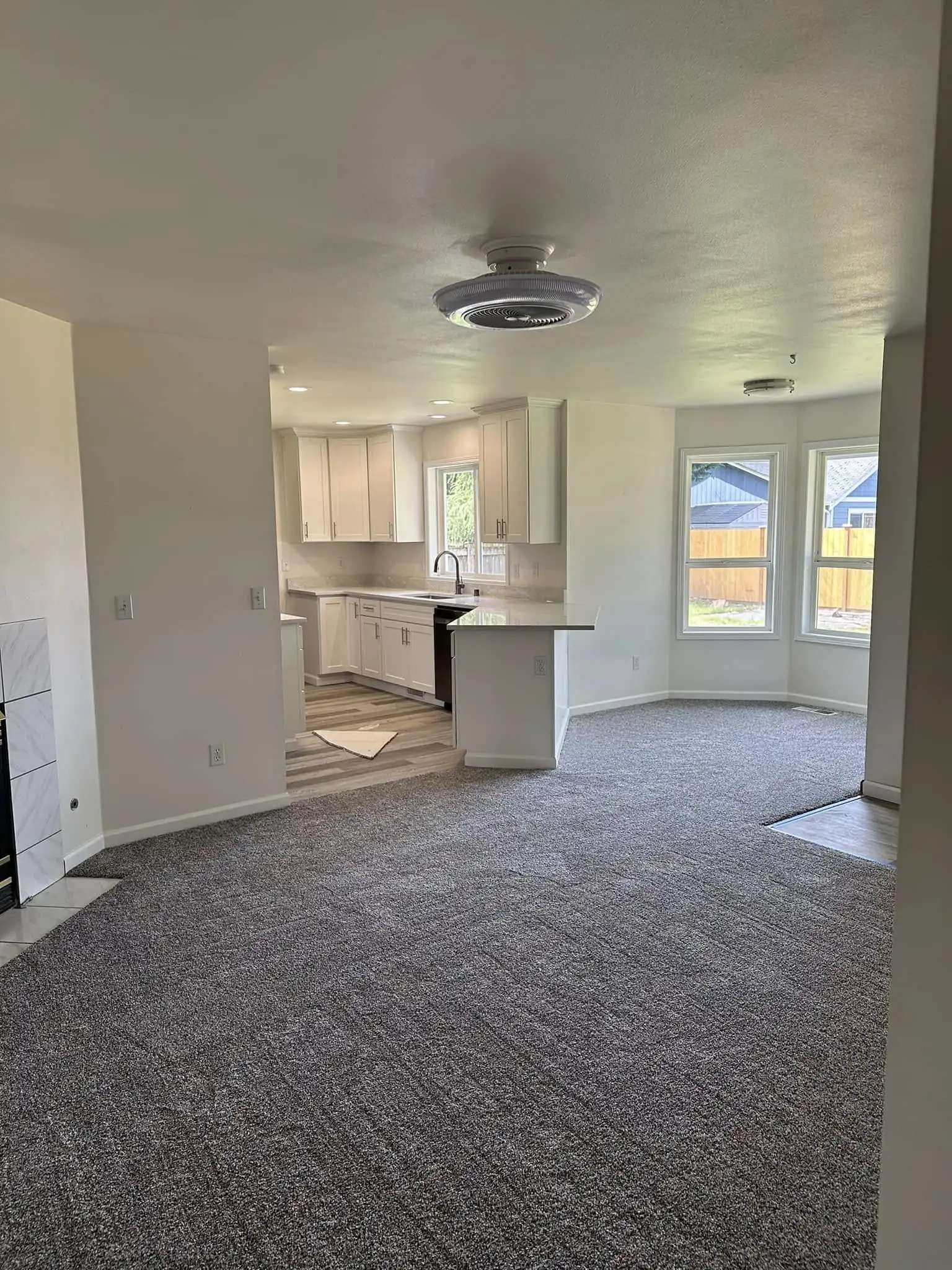
After covered property damage, we can handle the reconstruction and finish work once the source of the damage and any required mitigation have been addressed.
Learn more →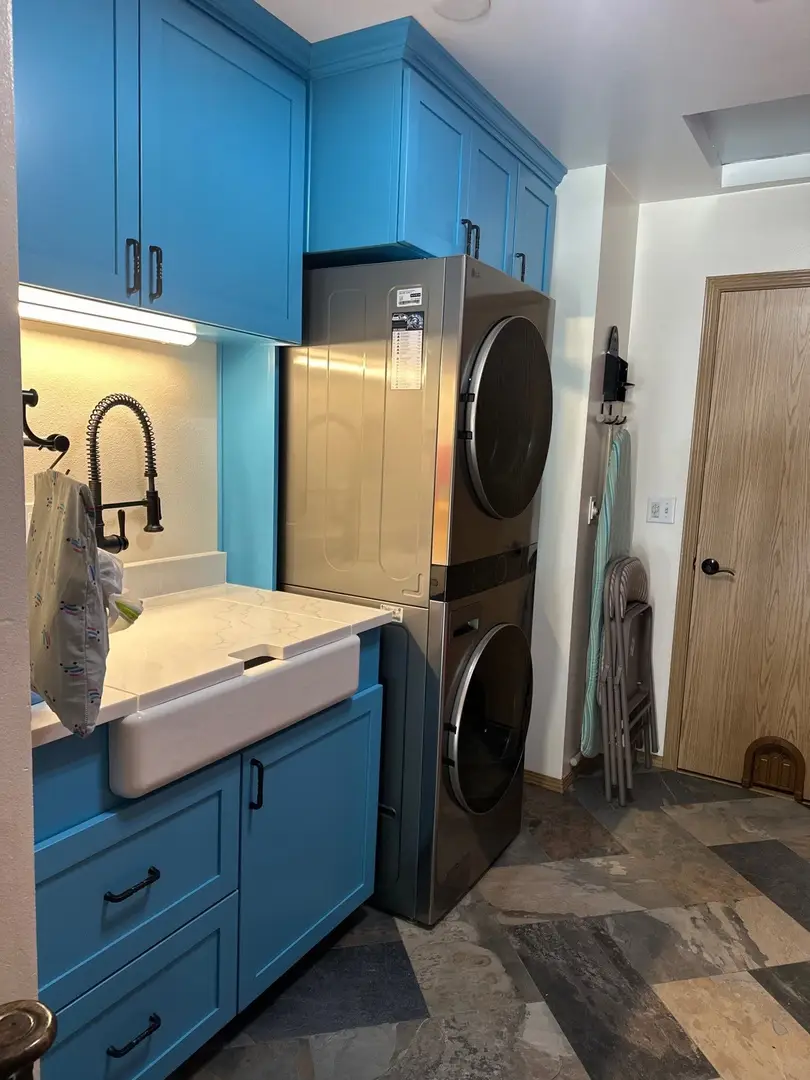
Drywall patches, trim, doors, shelving, hardware, small carpentry, fixture installation, and punch-list work can often be grouped into one practical project.
Learn more →Puyallup has a mix of established homes, later additions, newer neighborhoods, and houses that have already been remodeled once or twice. That means two homes with similar floor plans can need very different work once you look at the condition of the materials and what previous owners changed.
Kitchens and bathrooms are common places where several generations of work meet. Cabinets may have been replaced without changing the flooring. Tile may cover an older surface. Plumbing fixtures, lighting, trim, and drywall may all come from different updates. A useful remodel starts by understanding those connections before new materials are ordered.
We do not assume everything old needs to be removed. If the layout works, the cabinets are solid, or part of the room is still doing its job, the project can often focus the budget on the areas that will make the biggest difference. Keeping useful parts of the home can be just as important as knowing what needs to change.
When a project uncovers water damage, a soft surface, poor previous repair work, or something that was hidden behind a finish, we would rather address the cause before covering the area again. That matters in bathrooms, kitchens, flooring, tile, and repair work where the finished surface depends on what is supporting it.
Larger projects also need coordination. Flooring affects thresholds and doors. Cabinets affect counters, backsplashes, appliances, and plumbing. Bathroom tile depends on preparation and water management. Thinking through those relationships early helps the project feel intentional instead of becoming a series of disconnected fixes.
You should know what we find, what the project includes, and what changes if the existing home reveals something unexpected.
The best answer is not always the biggest project. We look at what is working, what is failing, and where the work will actually make a difference.
New finishes should sit on sound work. Preparation, repairs, alignment, and transitions matter just as much as the final material.
A Puyallup bathroom remodel might stay focused on the shower, flooring, vanity, and fixtures, or involve the whole room when layout, water damage, or older work needs attention.
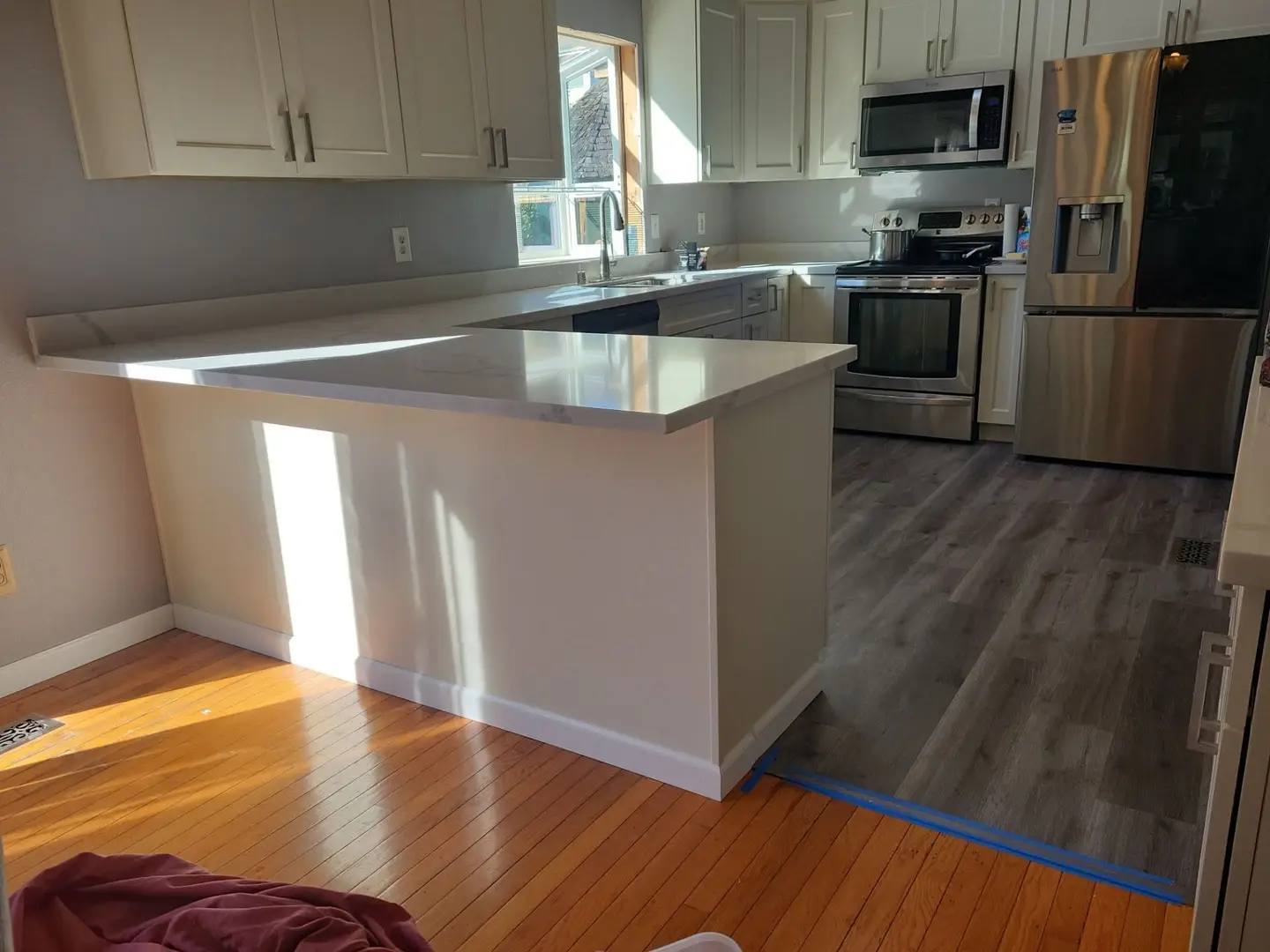
If the kitchen footprint already works, better storage, counters, flooring, tile, lighting, and fixtures may be enough. When the layout is the problem, we can look at the room more broadly before rebuilding it.
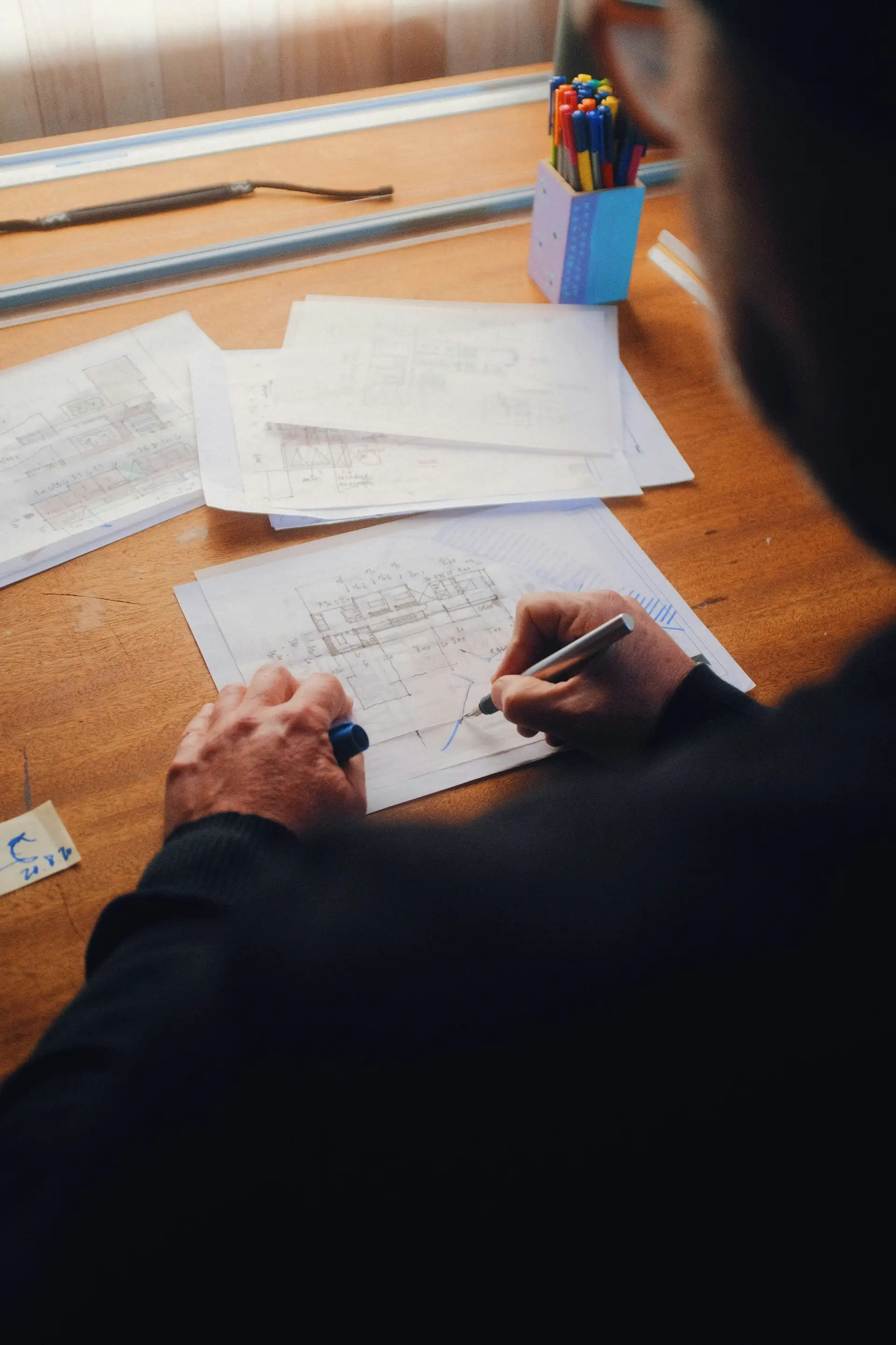
After covered damage, the reconstruction may touch flooring, drywall, trim, cabinets, tile, and adjoining finishes. We rebuild the affected area after the source and required mitigation have been handled.
Yes. The approach depends on the condition of the home, what previous work has been done, and what the homeowner wants to change.
Often, yes. If an existing element is in good condition and fits the new plan, the project can be designed around keeping it.
We stop, explain what was found, and discuss what needs to be corrected before new finishes cover the area.
Yes. Drywall, trim, doors, shelving, hardware, small carpentry, fixture installation, and punch-list work can all be discussed as a smaller scope.
Kitchen remodeling, bathroom renovations, tile installation, interior remodeling, handyman work, repairs, and residential reconstruction are all within our normal project range.
Yes. We can review the project, talk through the scope, and provide an estimate for the work being considered.
Yes. When several rooms need attention, phasing the work can be a practical way to prioritize the highest-need areas and coordinate the budget.