What Should You Check Before Replacing Flooring in an Older Home?
Replacing flooring can change the appearance of a home quickly. It can also uncover problems that have nothing to do with color or plank width.
Older homes may have layers of previous flooring, uneven subfloors, damaged areas near plumbing, and thresholds that no longer line up neatly. Those conditions deserve attention before ordering material or scheduling installation.
Look for Damage Before Choosing the New Surface
Walk through the rooms and notice where the floor feels soft, bouncy, uneven, or different from the surrounding area. Check near dishwashers, refrigerators with water lines, toilets, showers, exterior doors, and laundry equipment.
Discoloration or a musty smell may suggest moisture, but a stain alone does not reveal the cause or the extent of any damage. The source needs to be identified before new material hides it.
If there is ongoing moisture or compromised subflooring, installing a fresh finish first can make the eventual repair more disruptive.
Flatness Is Not the Same as Level
Some older floors slope across a room but are still reasonably flat over shorter distances. Other floors look level from the doorway yet have ridges and dips that interfere with a new installation.
Flooring manufacturers specify acceptable substrate conditions. Large-format tile, floating plank products, and other materials have different demands. The right preparation depends on the flooring system selected.
Do not assume a thicker underlayment will solve a serious substrate problem. That can create movement or failures rather than correcting the cause.
The Old Flooring Can Affect the Scope
One home may have a single layer of existing flooring. Another may have several layers, old adhesive, patches, or underlayment added during previous work.
Removal decisions can affect floor height, door clearance, baseboards, appliances, and the transition to adjoining rooms. In older properties, some materials may require testing or specialized handling before disturbance.
It is better to understand what will be removed and what will remain before finalizing the installation price.
Think About What Happens at Each Doorway
A beautiful living-room floor can look unfinished if the new material meets the hallway at an awkward height. Transitions matter for appearance, durability, and safe walking.
Measure where flooring changes material or elevation. Also check exterior entries and bathroom thresholds where water exposure may be different.
A full-room plan should account for which direction flooring runs and whether adjacent rooms will be replaced now or later. Sometimes choosing a good transition today protects flexibility for a later project.
Check Cabinet and Appliance Clearances
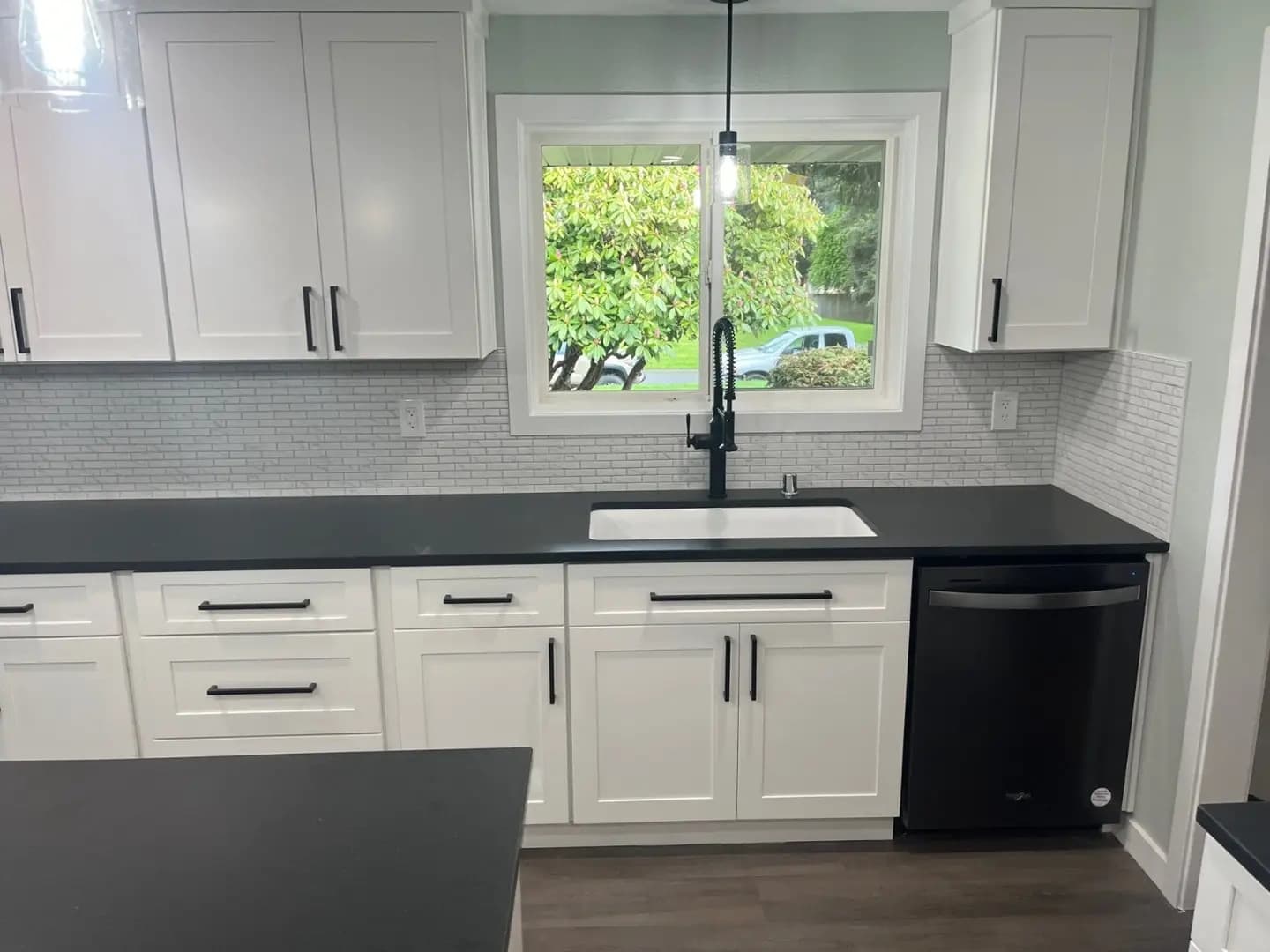
Adding floor height can create problems around dishwashers, refrigerators, doors, and existing cabinetry. A dishwasher that barely clears the countertop before flooring changes may be difficult to remove afterward.
Consider the finished floor assembly, not just the thickness printed on a box of planks. Underlayment, preparation, and transitions can all affect the final elevation.
If kitchen cabinets or bathroom fixtures are also being replaced, coordinate the work sequence before installing the floor.
Match the Product to How the Room Is Used
A busy entry, a bathroom, a living room, and a laundry area have different exposure and maintenance needs.
Water-resistant does not automatically mean suitable for prolonged standing water or a wet installation. Follow the manufacturer's requirements and account for the home's actual conditions. In tile areas, substrate preparation and movement accommodation matter just as much as the tile design.
The best flooring decision is one that balances the appearance you want with how the material will perform in that specific room.
Plan for What Is Hidden
A flooring estimate based only on square footage may not tell the full story in an older house. Damaged underlayment, uneven substrates, moisture, and previous repairs can change the preparation required.
Confidence Remodel helps homeowners in Puyallup, Tacoma, Lakewood, and nearby communities evaluate remodeling and repair projects. Before covering an old floor, make sure the surface underneath is ready to support the new one.
Frequently Asked Questions
Can new flooring cover an uneven subfloor?
Some products can tolerate limited variation, but each flooring system has substrate requirements. Significant unevenness should be addressed before installation.
Should I replace damaged subfloor before installing flooring?
Yes. Moisture damage, decay, or structural movement should be evaluated and corrected before a new finish covers the area.
Related Service
Home Remodeling
Explore focused room updates and larger residential remodeling projects.
View Home Remodeling →