Kitchen trends move fast. Kitchens do not.
A cabinet layout, countertop, floor, or island may be in the house for decades, so I am more interested in trends that make the room easier to live with than whatever happens to be getting photographed the most this year.
Here are the 2026 kitchen ideas I think are worth paying attention to.
Better Storage Is Winning Over More Cabinets
Homeowners still want storage, but the conversation has shifted from "how many cabinets can we fit?" to "can I actually reach and use what is in them?"
Deep drawers for pots and pans, pull-out pantry storage, vertical tray dividers, trash and recycling pull-outs, and better use of corners often improve a kitchen more than adding another row of hard-to-reach shelves.
The best storage is built around what the household owns. Someone who bakes constantly needs a different kitchen from someone who mostly wants a good coffee setup and a place to hide the air fryer.
Islands Are Getting More Purposeful
Kitchen islands are not going anywhere, but bigger is not always better.
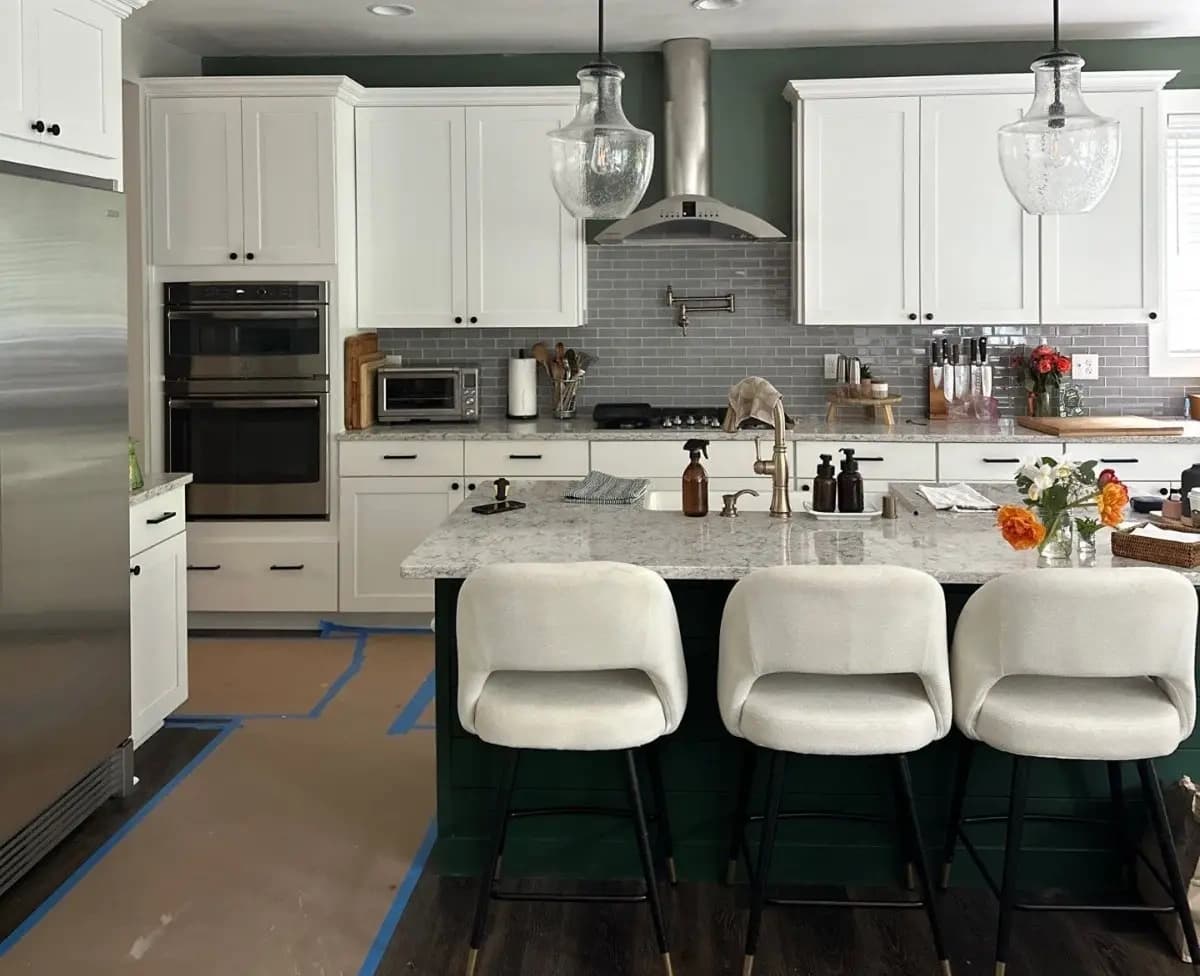
An oversized island can choke the walkways, block appliance doors, or leave the center too deep to use comfortably. A good island earns its footprint. It may provide seating, prep space, storage, a sink, a dishwasher, or a place for people to gather, but it should not make moving through the room harder.
In some kitchens, a smaller island or peninsula works much better. The room should decide, not the trend.
Lighting Is Finally Being Planned As Part Of The Kitchen
I see more homeowners thinking about lighting before the cabinets go in, which is a good thing.
A kitchen usually needs more than one bright fixture in the middle of the ceiling. Work surfaces benefit from task lighting. Islands may need pendants or focused light. General lighting should make the room comfortable without leaving dark counters under the upper cabinets.
Planning that early also gives you a chance to put switches and wiring where they make sense instead of trying to solve the problem after the backsplash is finished.
Warmer Materials Are Replacing The All-White Everything Look
White kitchens are still common, but there is much more interest in wood, warm neutrals, textured tile, natural-looking surfaces, and mixed cabinet finishes.
I think that is mostly a good development. A kitchen can feel clean without feeling sterile. Wood on an island, warmer paint, or a backsplash with some texture can give the room depth without locking the homeowner into a highly specific style.
The safer place for strong trends is still the stuff that is easier to change: hardware, paint, stools, light fixtures, and decor. Cabinets, flooring, and counters are expensive places to chase a look you may hate in five years.
Durable Countertops Still Matter More Than The Name On The Sample
Quartz remains popular because it is easy to maintain and available in a huge range of looks. Granite, quartzite, porcelain, butcher block, and other materials all have their place too.
The better question is how the surface will be used. Does the household cook every day? Are hot pans, spills, kids, and heavy use normal? How much maintenance are you willing to do?
A countertop that photographs well but annoys you every day was not a good choice.
Work Zones Make More Sense Than Designing Around A Perfect Triangle
The old kitchen work triangle is still useful, but modern kitchens often have more than one person using them and more going on than cooking dinner.
Coffee, baking, meal prep, homework, pet supplies, trash and recycling, pantry storage, and entertaining all compete for space. Thinking in zones can make the layout much more practical.
If one person can make coffee without blocking the sink and another can unload groceries without walking through the cooking area, the room usually feels better even if nobody can explain exactly why.
Appliances Need To Be Chosen Before The Cabinets Are Final
This is not glamorous, but it prevents expensive mistakes.
Refrigerators, ranges, dishwashers, microwaves, wall ovens, cooktops, and ventilation all have real dimensions and utility requirements. Those specifications affect cabinet openings, clearances, electrical, plumbing, counters, and sometimes the entire layout.
Choosing the appliances after the cabinet order is a good way to turn a small change into a large headache.
Accessibility Is Becoming Normal Design
More homeowners are thinking about how a kitchen will work ten or twenty years from now, and most of the useful changes do not look "accessible" in any obvious way.
Better lighting, wider walkways, drawers instead of deep lower cabinets, easy-to-use hardware, and thoughtful appliance heights help older homeowners, children, people with temporary injuries, and anybody carrying groceries.
Designing for easier use is not a niche trend. It is usually just good design.
The Best 2026 Trend Is Fewer Bad Decisions
The kitchens that age well are not usually the ones that chased every trend at once. They have a layout that works, enough storage, durable surfaces, good lighting, and a few choices that make the room feel personal.
If you are remodeling a kitchen in Puyallup, South Hill, Tacoma, or the surrounding area, use trends for ideas, not instructions. Build the room around the way you cook, move, store things, and live in the house. That will matter long after 2026 is gone.
Frequently Asked Questions
What kitchen upgrades provide the most value?
Updated cabinetry, durable countertops, improved lighting, efficient storage, and a functional layout often provide the strongest combination of everyday usefulness and resale value.
Should I follow current kitchen remodeling trends?
Current trends can provide useful ideas, but the best kitchen remodels combine modern conveniences with durable materials and timeless design choices.
What should be planned first during a kitchen remodel?
The layout should usually be planned first because it determines how cabinetry, appliances, storage, lighting, plumbing, and work areas will function together.
Are kitchen islands still popular in 2026?
Kitchen islands remain popular when the room has enough space to maintain comfortable walkways. They can provide additional storage, seating, preparation space, and room for appliances.
How can homeowners keep a kitchen from looking outdated?
Use timeless cabinetry, neutral permanent finishes, and durable materials while introducing current colors and styles through lighting, hardware, furniture, and decorations that are easier to replace.
Related Service
Kitchen Remodeling
Explore kitchen layout, cabinet, countertop, flooring, tile, fixture, and finish work.
View Kitchen Remodeling →