The First Inspection Cannot See Through Every Finish
A property-damage inspection is based on the condition that can be observed at the time.
That may be enough to understand most of the repair. It may also leave unanswered questions behind flooring, drywall, cabinets, tile, trim, or other finished surfaces.
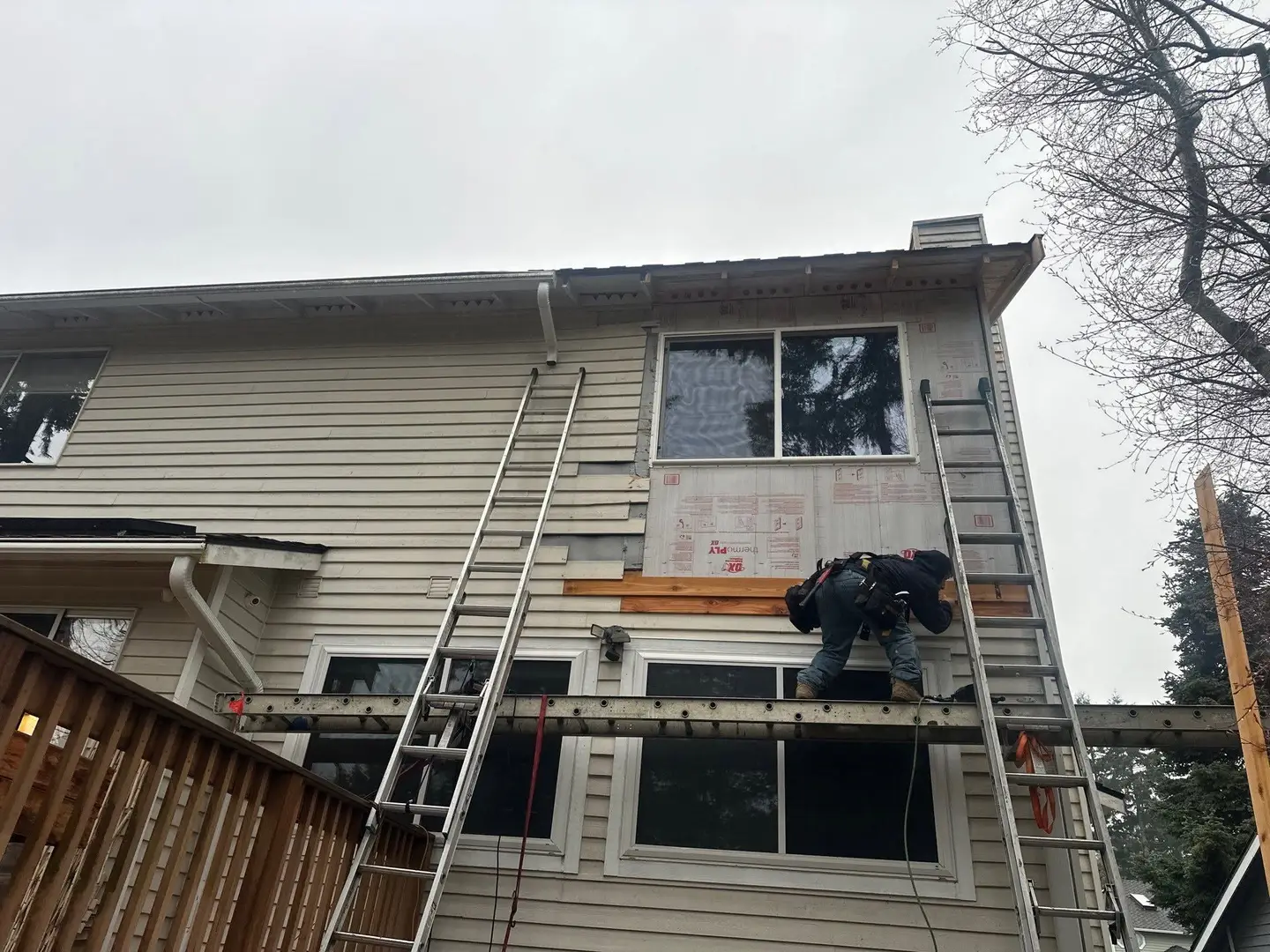
Once demolition begins, the contractor may discover damage that was not visible earlier.
That does not necessarily mean the initial inspection was poor. Existing homes hide parts of the assembly until finishes are removed.
What matters is what happens next.
Stop Before The Condition Disappears Again
The worst time to realize hidden damage mattered is after new material has already covered it.
When additional damage is uncovered, the area should be documented before reconstruction continues over it.
That documentation can include photos, measurements, notes about the location, and an explanation of how the condition affects the repair.
The homeowner needs a record of what was found. The contractor needs a clear basis for any scope change. The insurance carrier may need the information to evaluate whether the claim changes.
A few minutes spent documenting the open condition can prevent a much harder conversation after the wall or floor is closed.
Determine Whether The New Condition Changes The Repair
Not every unexpected condition creates a major scope change.
A small area of additional drywall may be straightforward. A section of subfloor may need replacement. A cabinet may need to be removed to access the damaged material behind it.
Other discoveries can affect several connected parts of the project.
Once the condition is visible, figure out what has to change to rebuild the area correctly.
Answer that construction question first. Then deal with the effect on schedule, estimate, and claim paperwork.
Separate Loss-Related Work From Unrelated Remodeling
An insurance repair can happen in a room that was already dated or due for remodeling.
That creates an important distinction.
Work required because of the covered loss is one scope. Improvements the homeowner chooses to make at the same time are another.
For example, replacing damaged drywall may be part of the repair. Choosing to redesign the entire room while it is open may be a homeowner upgrade.
Keeping those scopes separate makes costs and responsibilities easier to understand.
It can still make sense to combine the work physically, but the paperwork should make clear which work belongs to the repair and which work is an elective improvement.
Flooring Often Extends Beyond The Visible Damage
Flooring can create difficult reconstruction decisions because it frequently runs continuously through more than one room.
A damaged section may be connected to flooring that continues into a hallway, kitchen, or adjacent living space. The same product may no longer be available, or a new batch may not match older material perfectly.
The contractor needs to understand how the flooring is installed, where logical transitions exist, and what material is available before promising how the finished repair will look.
Those details are easier to address while the floor is open than after replacement material has been ordered.
Cabinets And Built-In Materials Can Hide More Than Expected
Cabinets can conceal wall, floor, and plumbing conditions.
A leak under a sink may affect the cabinet, drywall behind it, flooring underneath it, or adjacent material that is not visible until the cabinet is removed.
The same is true for vanities, built-ins, and other fixed components.
If removal is necessary to access the damaged area, the reconstruction scope also has to account for how those components will be reinstalled, repaired, or replaced.
A small source can therefore create a repair scope involving several trades.
Tile Can Hide Substrate Problems
Tile is durable, but it also covers the surface behind it completely.
If water reaches the assembly or the substrate was damaged during the loss, the visible tile may not tell the whole story.
Once tile is removed, the contractor can evaluate the condition of the surface beneath it and determine what preparation is needed before replacement tile goes in.
This is especially important in wet areas where the repair may interact with water-management details.
New tile should never cover a substrate that is still damaged.
Hidden Damage Can Affect Sequence And Schedule
Additional work changes more than cost.
A damaged subfloor may need repair before flooring can continue. A wall may need to remain open while another condition is addressed. A material may need to be reordered. A claim question may need documentation before the area is closed.
Those changes can move other tasks on the schedule.
Clear communication matters here because homeowners need to understand whether the delay is caused by repair work, material availability, claim review, or another dependency.
A revised schedule is easier to accept when the reason is visible and documented.
The Contractor Documents Construction. The Carrier Decides Coverage.
Finding additional damage tells you the construction scope changed. It does not answer whether the policy will cover that change.
The contractor can explain what was found, where it was found, and why it affects the construction scope.
The homeowner and insurance carrier determine how that information applies to coverage.
That distinction is worth repeating because it prevents repair conversations from turning into promises no contractor should make.
Resolve The Open Condition Before Closing It
Once the additional damage is understood, documented, and addressed, reconstruction can move forward with a clearer scope.
The priority is not to keep the project moving at any cost. It is to avoid hiding a known problem simply because the schedule expected the wall, floor, or cabinet to be finished that day.
Confidence Remodel handles residential repair and reconstruction in South Hill, Puyallup, Tacoma, and surrounding communities. If hidden damage appears during the work, we document what we find, explain how it changes the construction scope, and address the repair before the area is covered again.
Frequently Asked Questions
Related Service
Insurance Repair & Reconstruction
Learn about residential reconstruction and finish work after covered property damage.
View Insurance Repair & Reconstruction →