Stop the source before rebuilding
Active leaks, moisture, or required mitigation need to be handled before reconstruction closes the affected area back up.
Remodeling Guides
Active leaks, moisture, or required mitigation need to be handled before reconstruction closes the affected area back up.
The insurance carrier decides coverage. The contractor evaluates and completes the repair scope. Keeping those roles clear prevents confusion.
Flooring, drywall, trim, cabinets, tile, and adjoining finishes can all be connected once damaged materials are removed.
Planning a project instead of researching one?
Explore Insurance Repair & Reconstruction →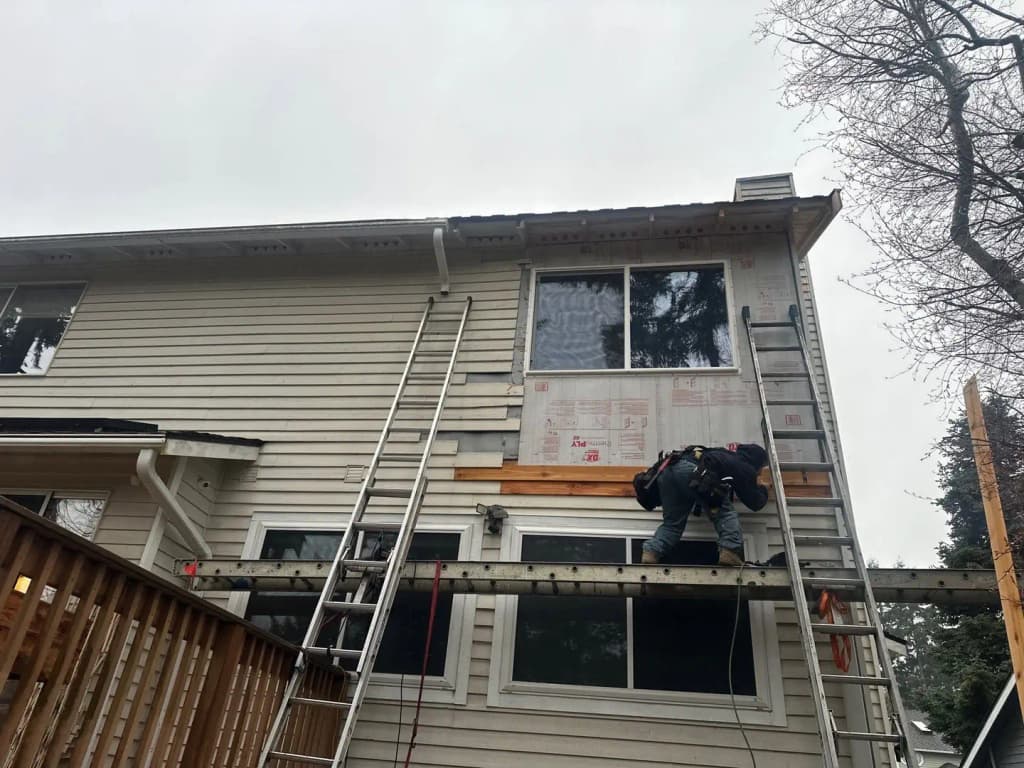
Damage behind floors, walls, cabinets, and finishes may not be visible during the first inspection. What matters is how it is documented and handled when the area is opened.
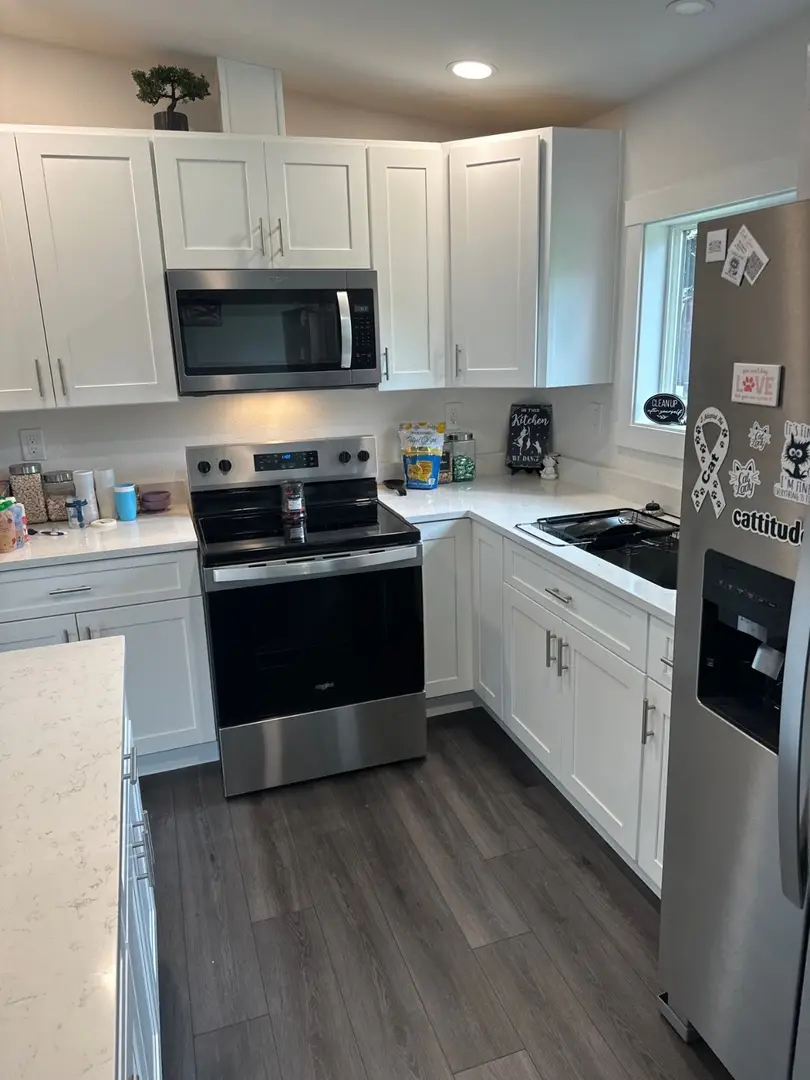
Reconstruction should begin after the water source, damaged materials, drying, and any required mitigation are handled. Closing the area too early can hide the problem instead of repairing it.
Insurance repairs involve both a claim process and a construction process. Understanding where one ends and the other begins makes the reconstruction easier to follow.