Remodeling Lakewood's Established Homes
Lakewood has a different remodeling profile from communities dominated by recent construction. Much of the city was already developed decades ago, and a large number of its homes come from the postwar and mid-century periods. There are also older properties, later subdivisions, and homes that have gone through several rounds of renovation since they were originally built.
That makes existing condition especially important. A house that has been standing for fifty, sixty, or seventy years is not necessarily a house in poor condition. It may have been maintained extremely well. At the same time, individual rooms can still contain aging materials, dated layouts, old repairs, or improvements made by several generations of owners.
Mid-century and postwar homes can also have features worth working with rather than against. Straightforward floor plans, established living spaces, and original details may still serve the house well. The remodeling question is often not how to make the home completely different, but how to improve the parts that have become inconvenient, worn, or poorly suited to the current household.
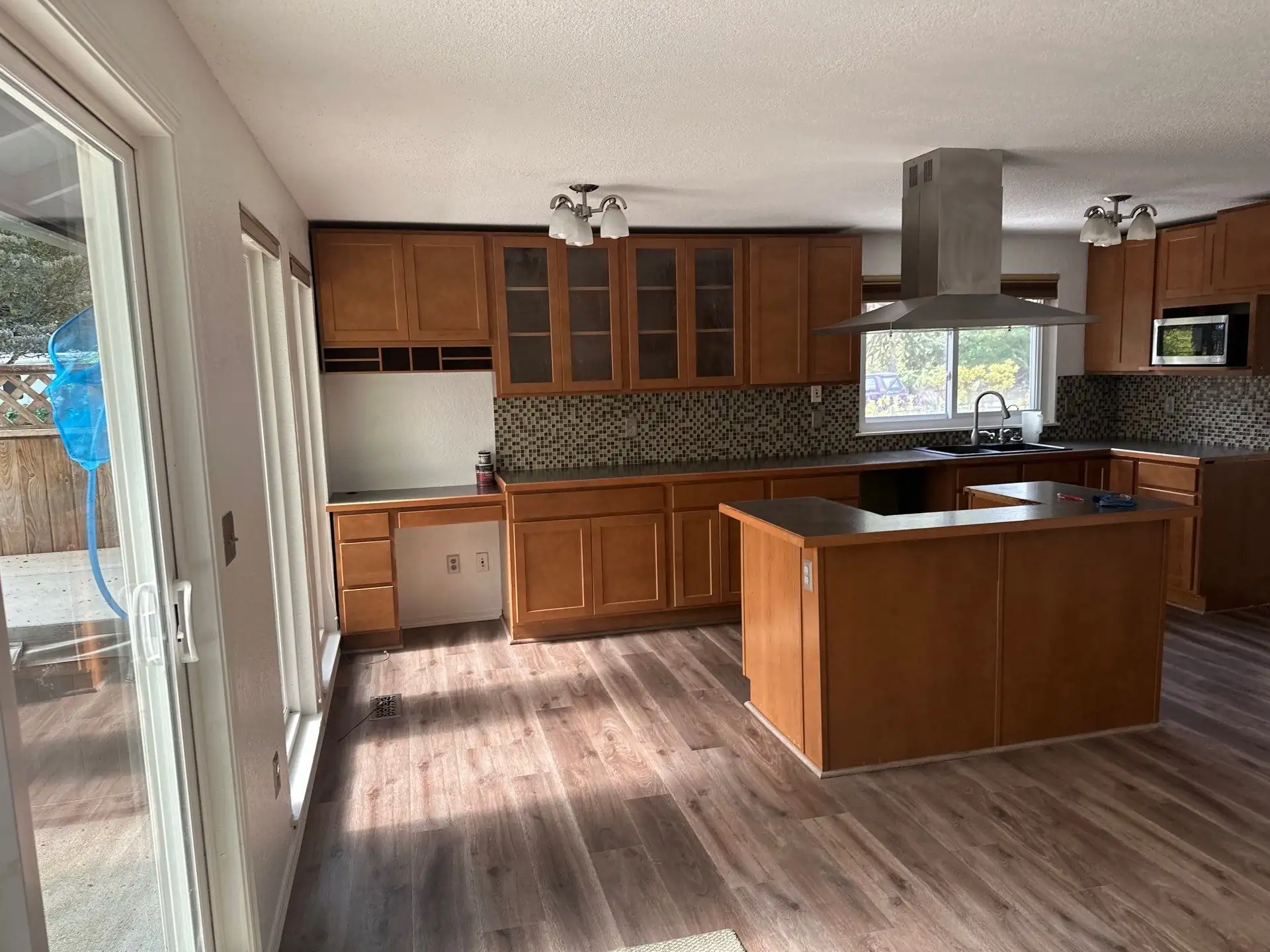
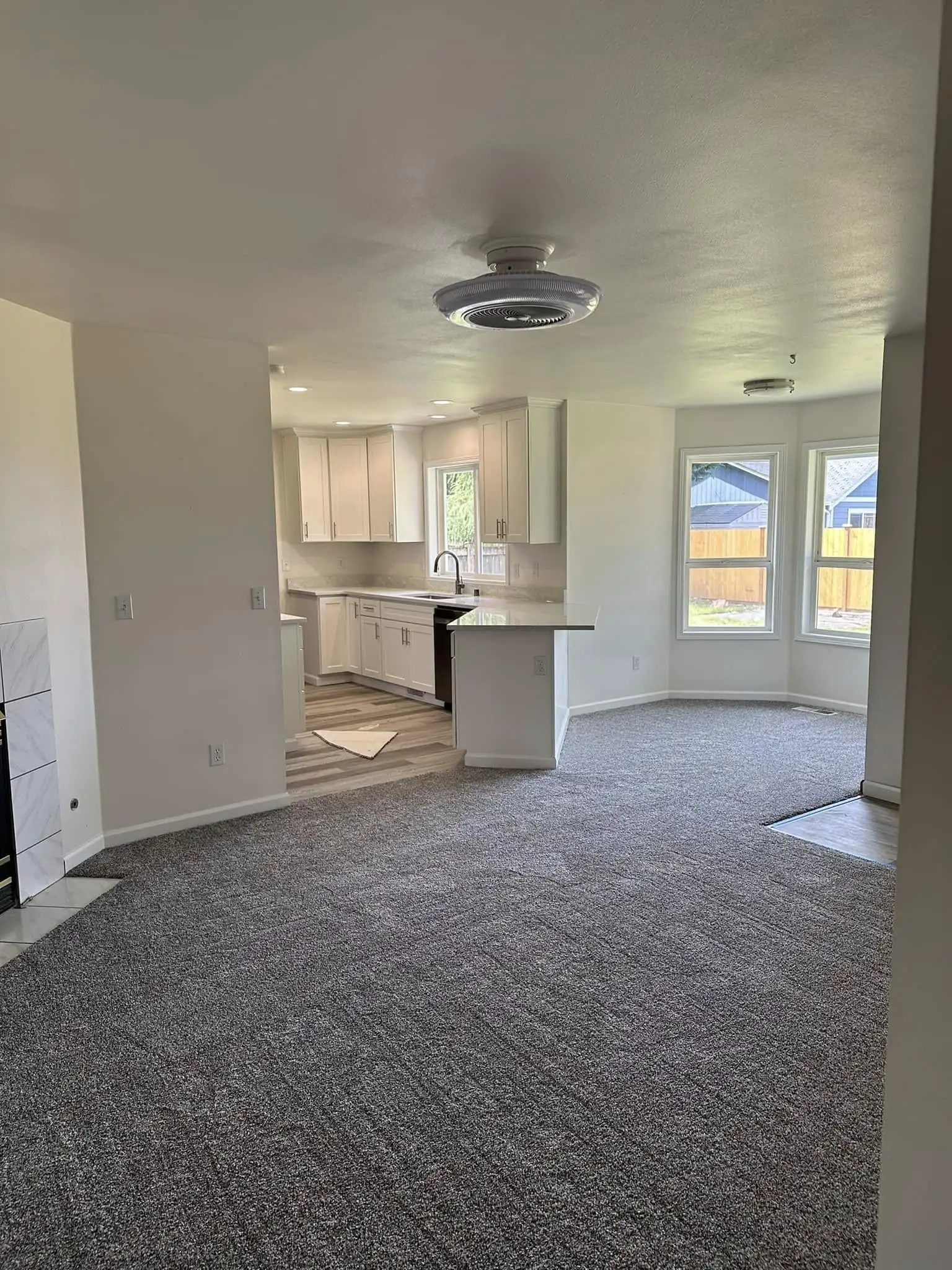
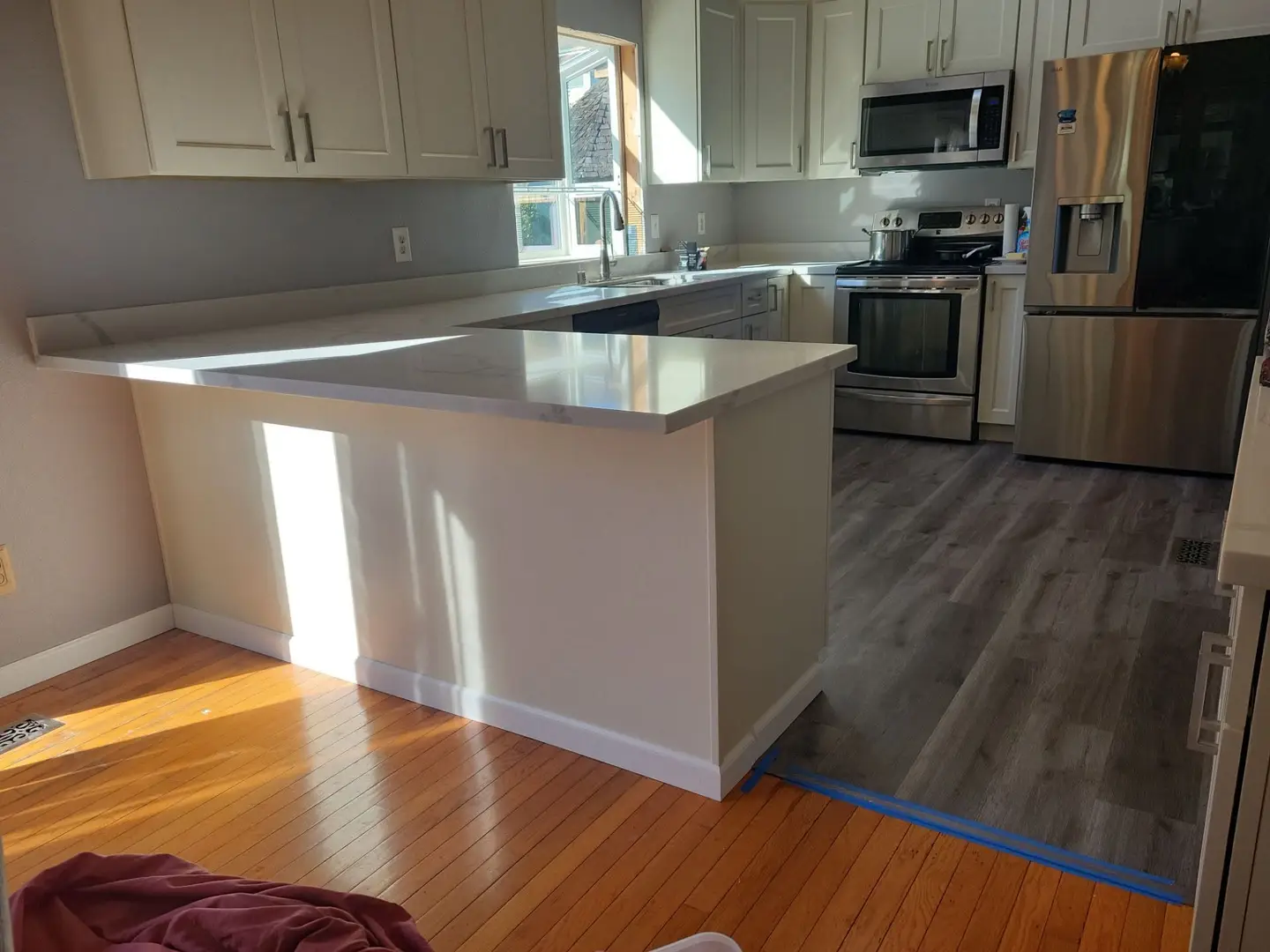
Kitchens are a common example. A kitchen designed decades ago may have less storage, fewer useful work surfaces, or a greater separation from the rest of the living space than a homeowner wants today. That does not automatically require rebuilding the entire floor plan. Sometimes targeted changes can substantially improve the room while retaining the basic organization of the house.
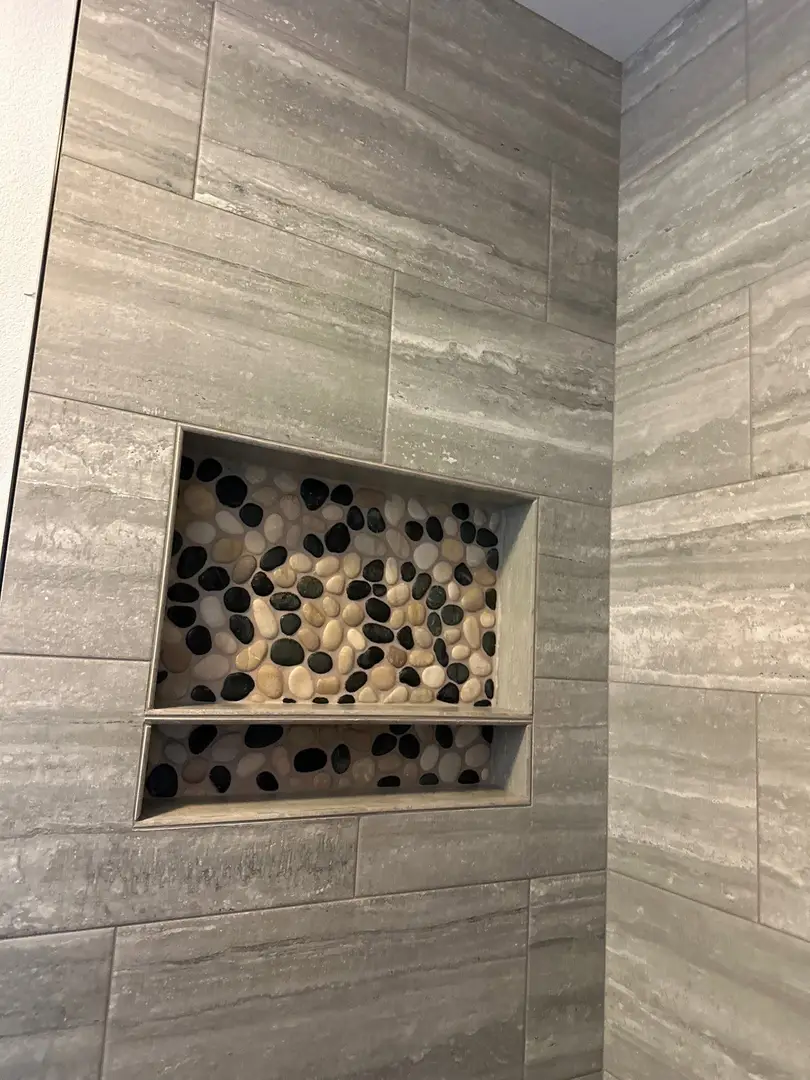
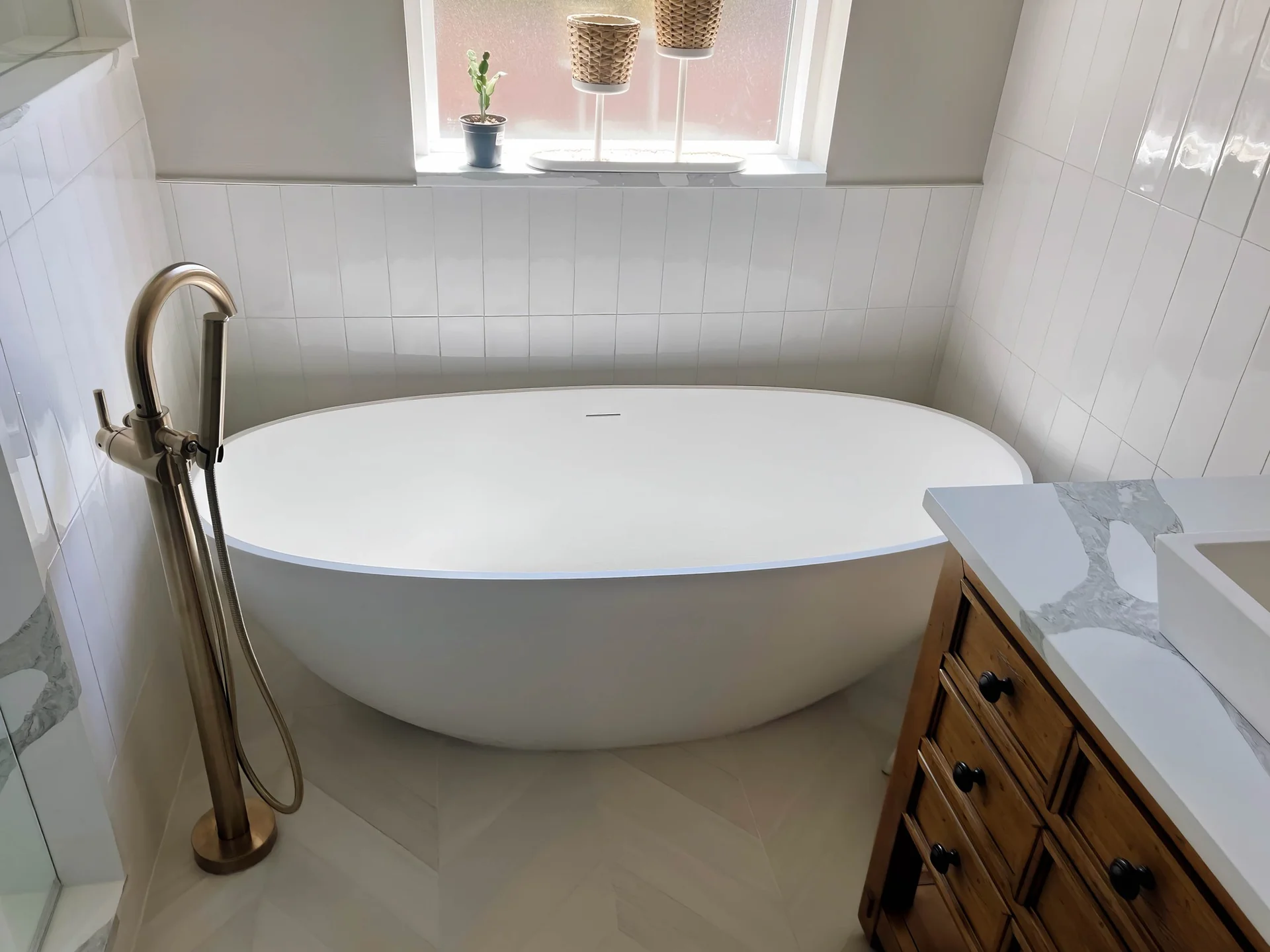
Bathrooms present their own issues. Decades of moisture and use can leave behind layers of repairs and replacement materials. A bathroom may look acceptable at first glance while still containing surfaces, tile work, or surrounding materials that are reaching the point where another temporary repair makes less sense than addressing the room properly.
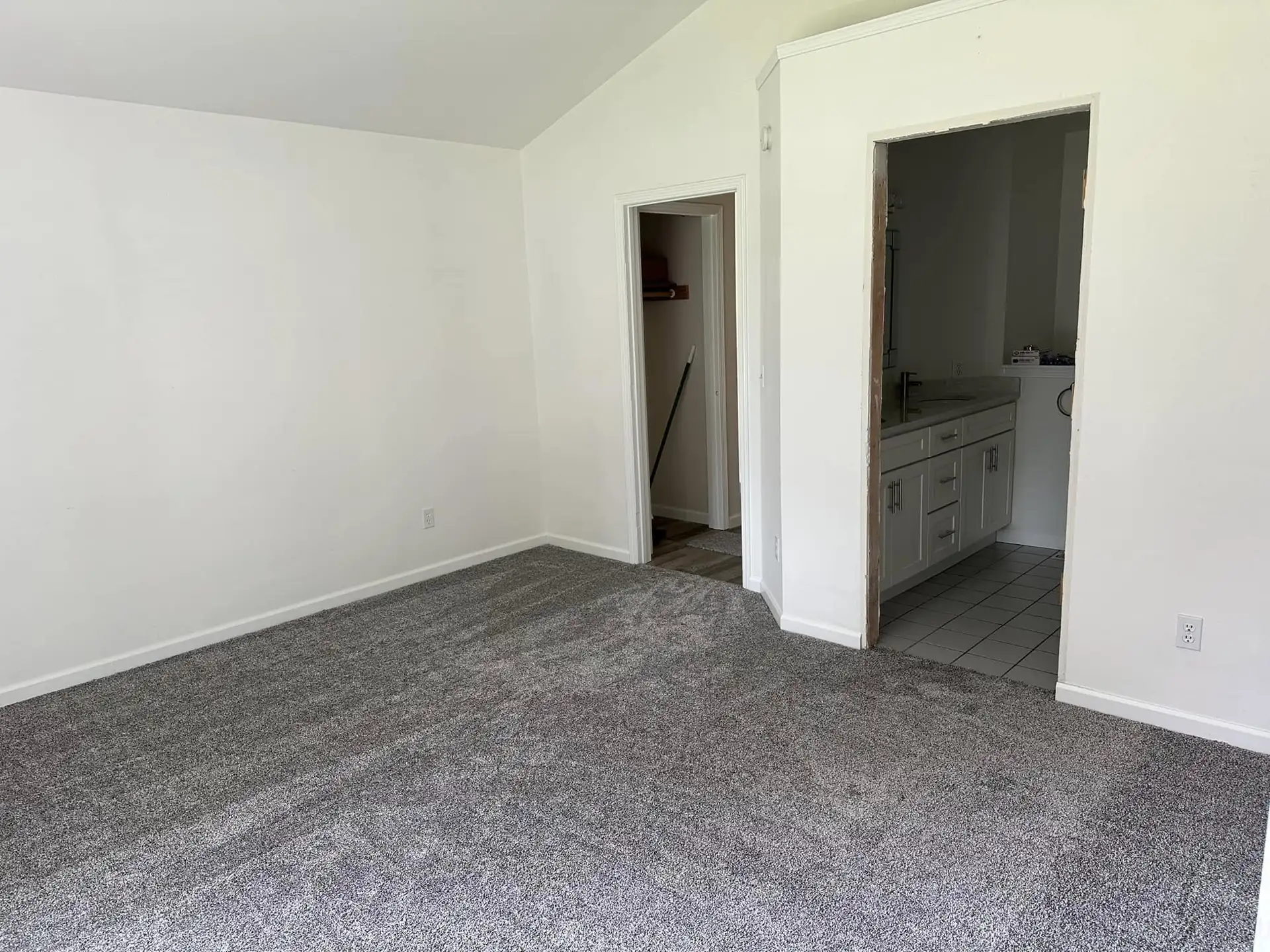
Lakewood also has homes where remodeling has happened gradually. A previous owner may have renovated the kitchen but not the adjoining rooms. Flooring may change several times across the house. An addition may have introduced a different style or generation of construction. Good renovation work needs to account for those transitions rather than pretending the house was all built yesterday.
The result does not need to erase the home's history. We start by separating what is old from what is actually a problem. Materials and spaces that still perform well can remain. Worn, damaged, awkward, or poorly executed areas can be improved. That creates a project based on the needs of the house rather than its age alone.