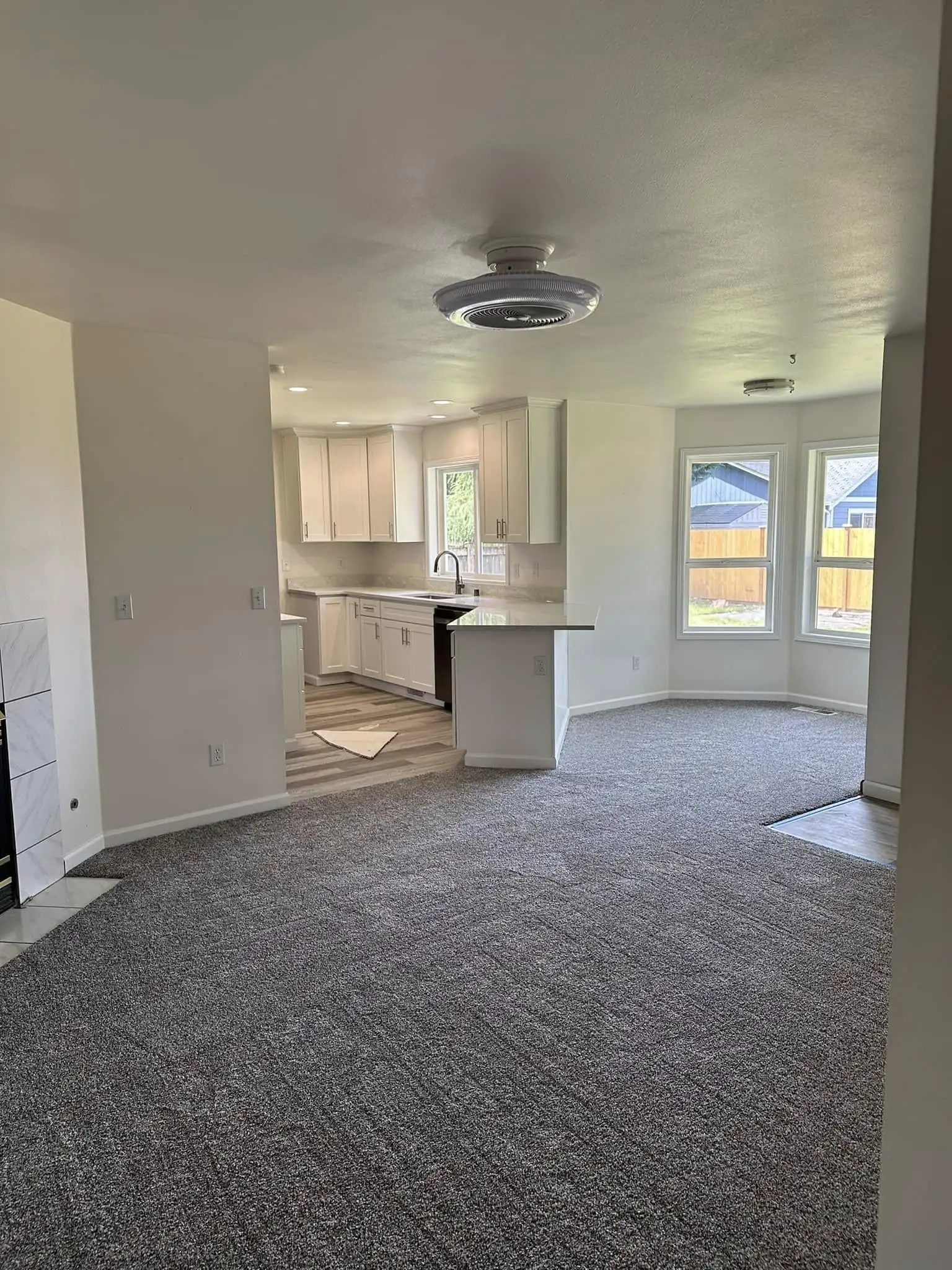
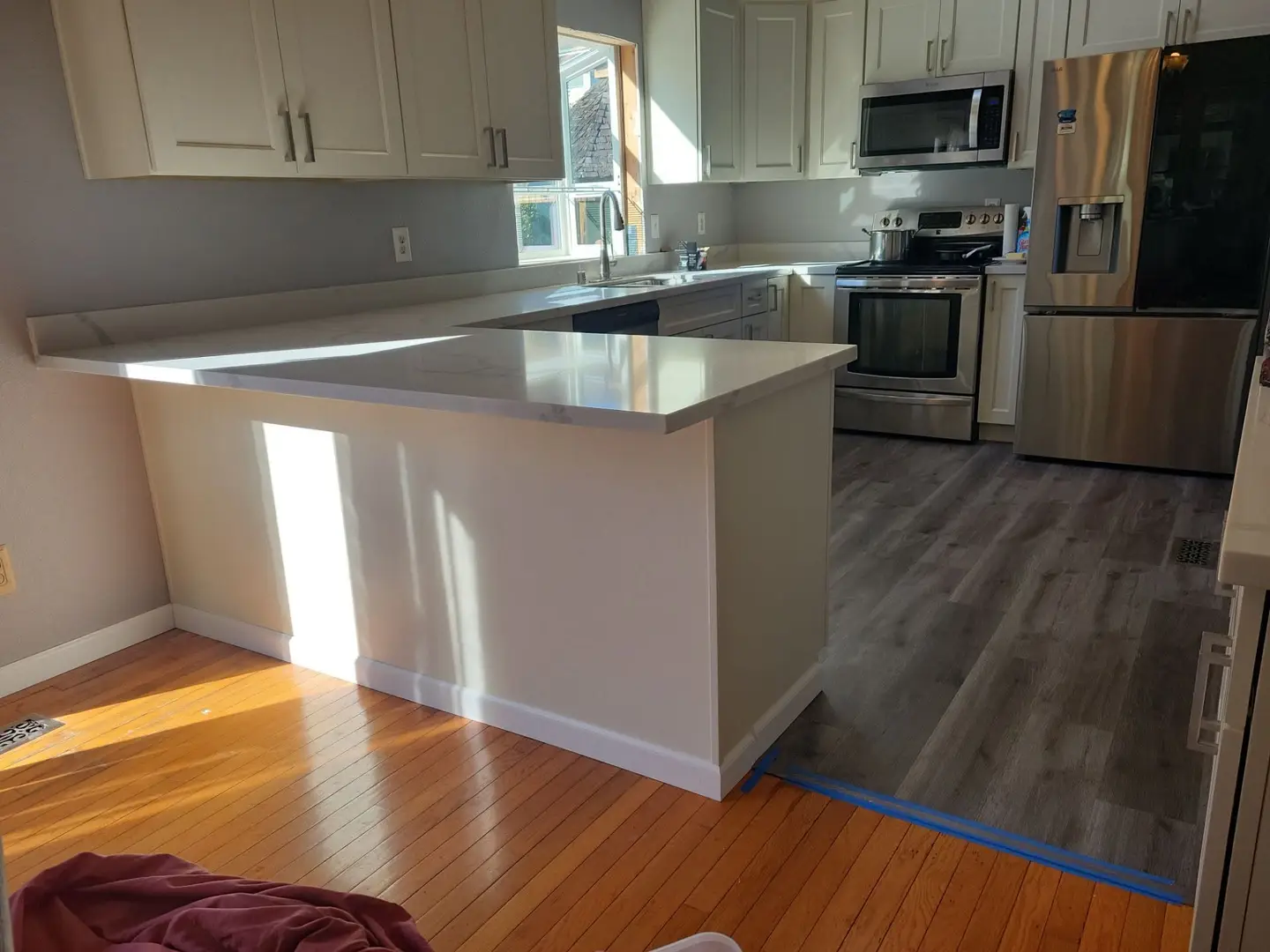
Remodeling Federal Way's Established Homes
Federal Way's housing reflects the city's rapid transformation during the second half of the twentieth century. There are older homes that predate much of that growth, large areas of mid-century and later suburban development, established neighborhoods built through the 1970s, 1980s, and 1990s, and newer homes added as the city continued to develop.
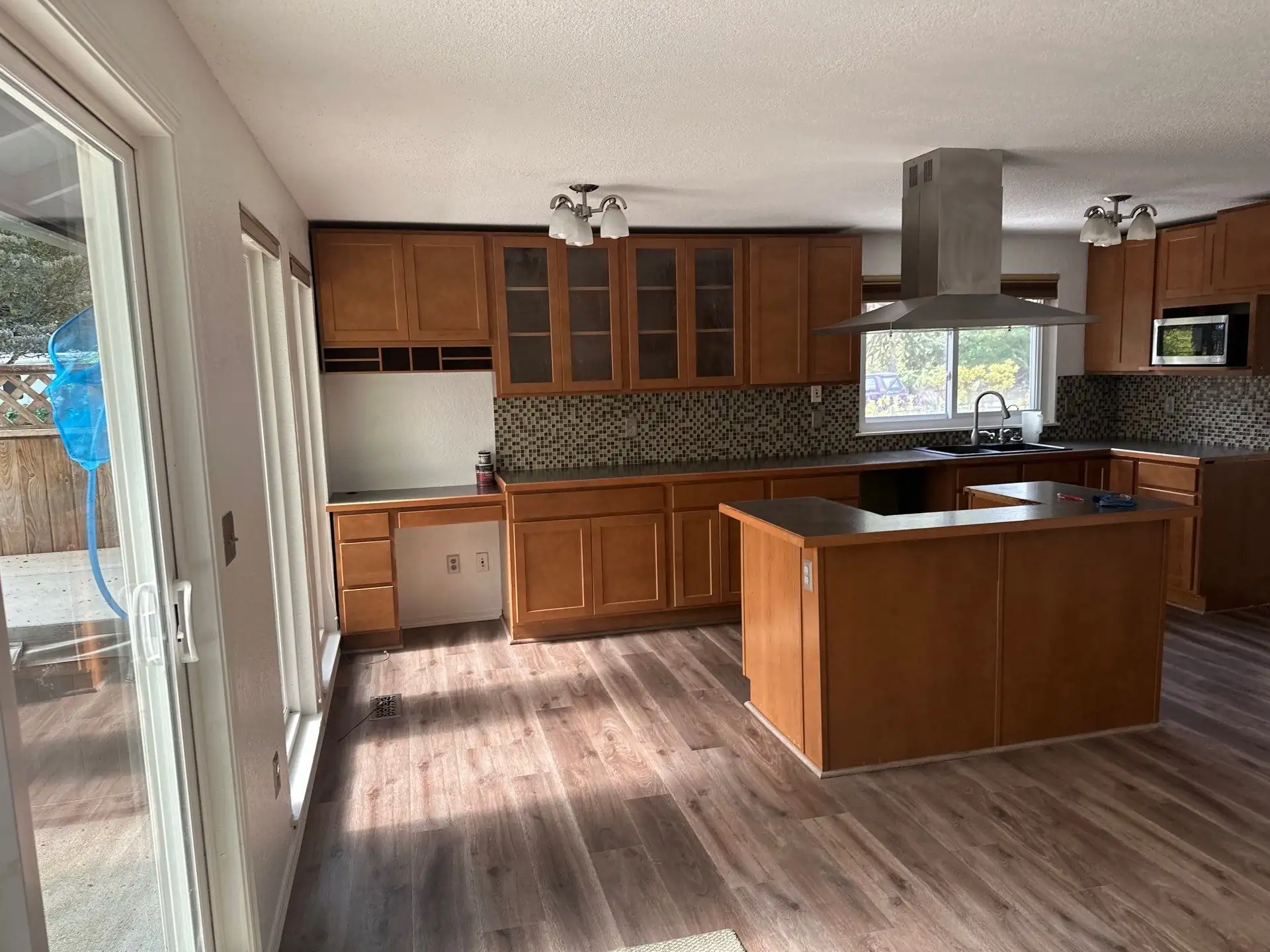
That puts a large portion of Federal Way's housing in an interesting stage. Many homes are not old in the traditional sense, but they have now been lived in for several decades. Original kitchens, bathrooms, tile, flooring, cabinetry, and interior finishes can have thirty, forty, or fifty years of use behind them.
Homes from those periods were also designed around different expectations. Kitchens could be more separated from living areas. Storage needs were different. Bathrooms were often straightforward and compact. A layout can remain structurally useful while individual rooms no longer fit the way the current household lives.
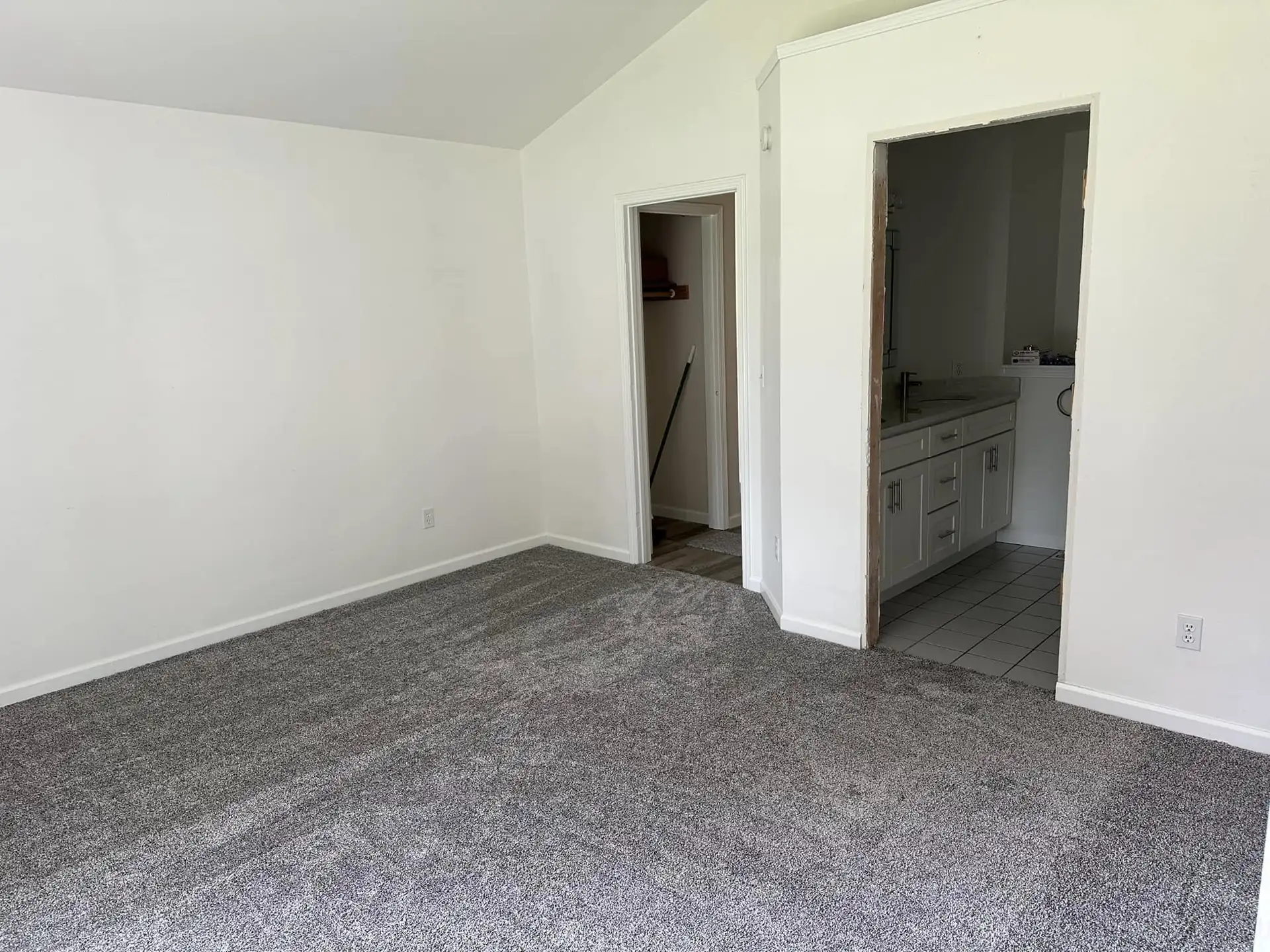
Federal Way homes have often been updated gradually rather than all at once. A kitchen may have been remodeled fifteen years ago while a bathroom remains largely original. New flooring may meet older trim and finishes. Fixtures can have been replaced several times without the surrounding room receiving the same attention.
That makes the history of the individual house more important than its construction date. Two homes built in the same year and the same neighborhood can be completely different remodeling projects depending on how they were maintained, repaired, and changed by previous owners.
The city's variety also means priorities change from neighborhood to neighborhood and household to household. Some homeowners want to modernize an interior that has barely changed in decades. Others have a mostly updated home with one or two rooms left behind. Some need to correct years of piecemeal work before making cosmetic improvements.
Western Washington moisture is another consideration, particularly in bathrooms and areas that have experienced plumbing or water problems. A clean-looking surface does not always tell the full story. When there are signs of repeated moisture exposure, the condition behind the finish deserves attention before new material covers it again.
A good remodel does not begin with a list of everything that can be replaced. It begins with what the house already has. We look at what remains useful, what has reached the end of its life, what previous work should stay, and what changes would make the biggest practical difference for the homeowner.